Which Season is Best for Plastic Surgery? An Essential Guide to Optimal Timing
Read about Which Season is Best for Plastic Surgery? An Essential Guide to Optimal Timing on faceon

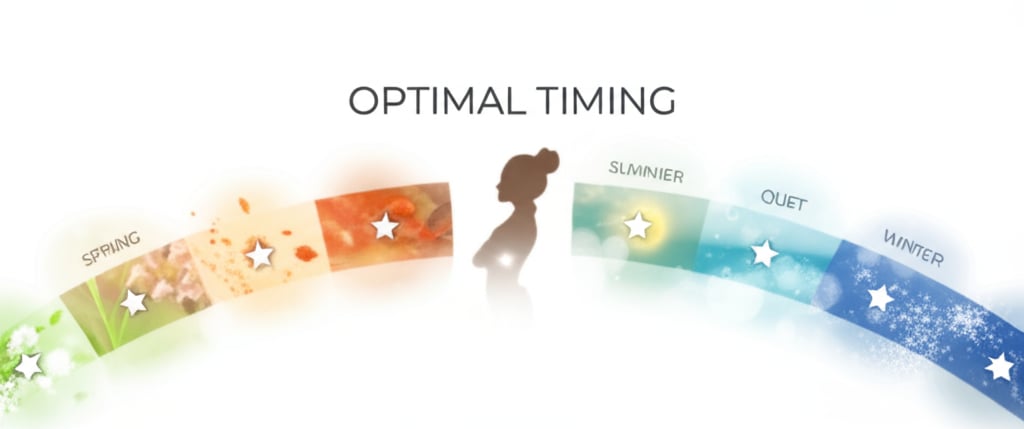
Plastic surgery, a specialized medical field dedicated to refining aesthetics and restoring physical function, has become increasingly accessible to countless individuals worldwide. While the choice to undergo an elective cosmetic procedure is profoundly personal, a critical factor often underestimated is its timing. Environmental elements, particularly seasonal variations, can significantly impact the healing journey, the ultimate visual outcome, and overall patient comfort. Insufficient planning in this regard could potentially hinder the recovery process and compromise the desired results, as extensively documented by observations across the industry.
This in-depth resource aims to illuminate how each distinct season presents its own unique set of considerations for those contemplating plastic surgery, empowering individuals to make well-informed decisions throughout their transformative aesthetic health journey.
Unpacking Plastic Surgery: The Critical Role of Timing
Cosmetic enhancements span a broad spectrum of procedures, ranging from refreshing facial features to sculpting body contours, each demanding a specific recovery protocol. The intricate process of the human body's healing is highly susceptible to external environmental influences, which can either foster or impede its progress. Elements such as prolonged exposure to sunlight, prevailing ambient temperatures, and even the type of garments worn post-operation can profoundly shape various outcomes, including the maturation of scars, the extent of swelling, and the potential for complications. Consequently, the deliberate choice of season for your procedure transcends mere convenience; it is fundamentally about optimizing your body's innate capacity for regeneration and safeguarding your investment in your appearance.
Key Insight: Thoughtful and strategic timing can considerably enhance your surgical experience and lay the groundwork for superior, enduring results.
Winter: The Optimal Window for Comprehensive Healing
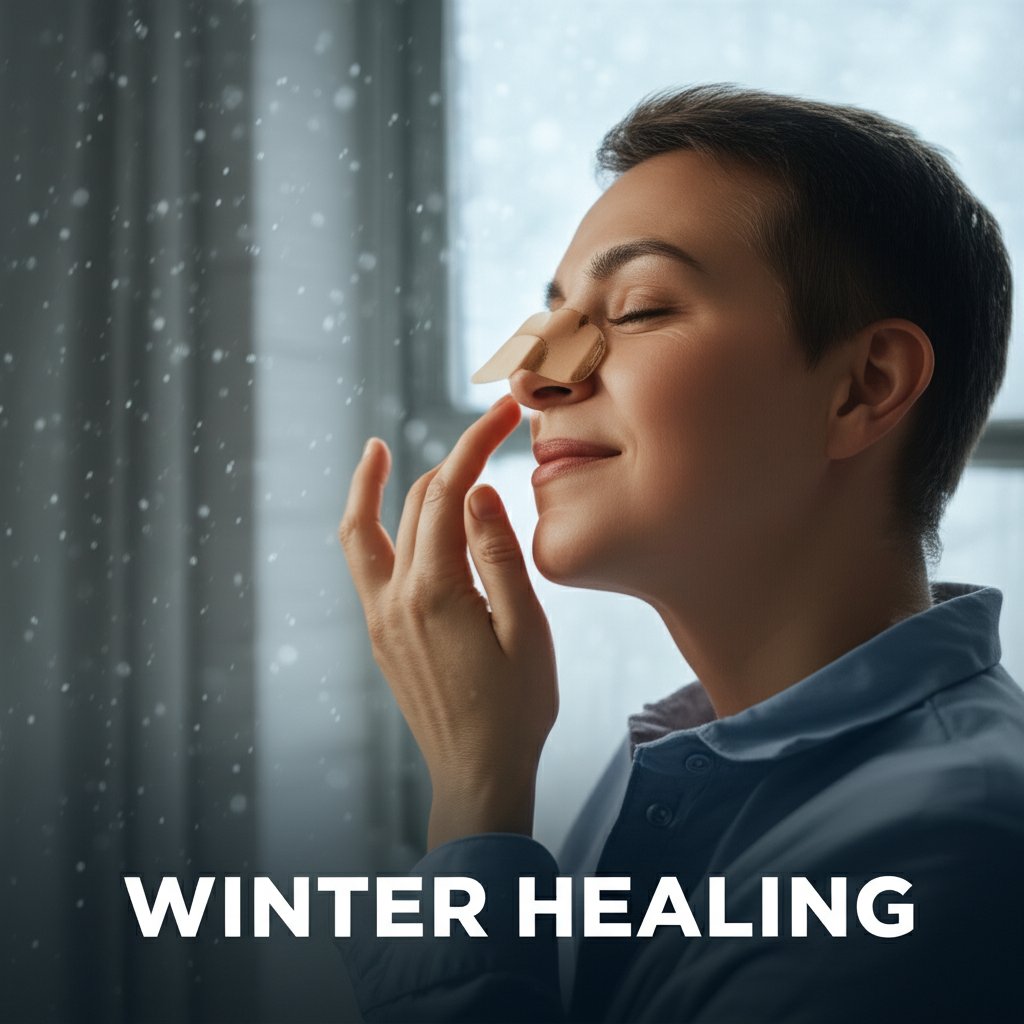
Many medical practitioners and patients frequently identify winter as an exceptionally favorable period for undergoing plastic surgery, particularly for procedures that necessitate extensive recovery or involve areas highly susceptible to sun exposure. The colder months inherently offer several compelling advantages:
- Minimized Solar Exposure: With daylight hours significantly shorter and UV radiation levels naturally lower, the danger of sun damage to delicate, healing incisions is substantially reduced. Newly formed scars are particularly vulnerable to hyperpigmentation, or darkening, when exposed to sunlight. Winter inherently provides a safer, more protected environment, allowing these sensitive areas to mature and fade more effectively.
- Temperature-Aided Swelling Management: Cooler temperatures naturally induce vasoconstriction, which can significantly aid in minimizing post-operative swelling and discomfort. Patients undergoing procedures like abdominoplasty or liposuction, which commonly involve considerable swelling, often report a more comfortable recovery experience in colder weather.
- Discreet Downtime and Privacy: Winter frequently aligns with holiday periods or generally quieter seasons, presenting an opportune moment for a private and discreet recovery. The ability to remain indoors without feeling socially disconnected, combined with the fashion benefit of wearing bulkier or layered clothing, allows compression garments and any residual swelling to be easily concealed.
- Reduced Infection Risk: While not the primary consideration, diminished perspiration in cooler temperatures can potentially foster a cleaner, drier healing environment, thereby supporting optimal incision recovery.
Illustrative Case Study: A patient who underwent a comprehensive facial rejuvenation procedure in late autumn successfully harnessed the benefits of the cooler months to minimize sun exposure and efficiently manage swelling. By scheduling their surgery prior to the peak holiday season, they were able to recover predominantly indoors, ensuring their skin and incisions healed away from intense sunlight. By the onset of spring, they were fully prepared to showcase their refreshed appearance, having skillfully bypassed the critical sun-exposure period for scar maturation—a strategy widely recognized by many specialists as yielding superior scar aesthetics. This intentional seasonal choice facilitated prime healing conditions, ultimately leading to a more refined and enduring outcome.
Key Insight: Winter presents unmatched advantages for discreet healing, optimal scar development, and comfortable swelling management, especially for more extensive surgical interventions.
Spring: A Delicate Balance of Opportunity and Precaution
As winter's chill gives way to the burgeoning life of spring, this seasonal transition introduces both prospects and specific considerations for plastic surgery patients. This period can be an excellent selection for those aiming to strike a balance between a private recovery and the anticipation of enjoying outdoor pursuits later in the year.
- Gradual Increase in Solar Exposure: Although not yet reaching summer's intensity, spring witnesses a progressive escalation in UV radiation levels. Consequently, diligent sun protection becomes absolutely essential, necessitating the consistent application of broad-spectrum SPF, the use of protective apparel, and seeking shaded areas, particularly for procedures performed on visible body parts.
- Mild and Conducive Temperatures: Spring's temperate climate proves quite comfortable for recovery, deftly sidestepping the extreme cold of winter and the oppressive heat of summer. This moderate environment can be especially advantageous for controlling swelling without the discomfort of overheating.
- Flexible Downtime Opportunities: Many individuals find spring to be a convenient time to schedule their procedures, often coinciding with spring breaks, academic holidays, or prior to the commencement of busy summer travel plans. This timing allows for a dedicated recovery period without significantly disrupting major vacation itineraries.
- Managing Activity Levels: As the weather improves, there's a natural inclination to increase physical activity. Patients must meticulously adhere to all post-operative care restrictions to avert complications and ensure proper healing, resisting the urge to prematurely engage in strenuous outdoor endeavors.
Key Insight: Spring offers a favorable middle ground for numerous procedures, provided individuals maintain a firm commitment to rigorous sun protection and mindful activity levels throughout their recovery.
Summer: Navigating the Obstacles for Favorable Results
Summer, characterized by its extended sunny days and abundant vacation opportunities, might initially appear attractive for scheduling surgery due to the availability of extended time off. However, it concurrently poses the most substantial challenges for post-operative recovery, demanding heightened vigilance and self-discipline.
- Elevated Sun Exposure Risk: This factor stands as the most critical concern. The intense summer sun dramatically increases the likelihood of hyperpigmentation in new scars, potentially leading to permanent discoloration. Furthermore, powerful UV rays can inflict damage upon delicate, healing skin, thereby impairing the overall aesthetic outcome. For anyone recovering from surgery during these months, strict sun avoidance is non-negotiable.
- Temperature and Exacerbated Swelling: Warm, humid weather conditions can significantly intensify swelling and inflammation, making the recovery period considerably more uncomfortable. Wearing compression garments, which are frequently indispensable for procedures such as liposuction or breast augmentation, can become stifling and irritating in high temperatures.
- Restrictions on Outdoor Activities: While vacation time is often plentiful, the imperative to remain indoors, refrain from swimming, and restrict strenuous activities can clash with typical summer leisure plans, potentially leading to frustration or the temptation to deviate from critical recovery protocols.
- Increased Perspiration: Higher ambient temperatures naturally lead to increased sweating. While generally manageable with scrupulous hygiene, this could theoretically elevate the risk of skin irritation around incision sites if not meticulously cared for.
Overcoming the Summer Challenge: Strategies for Sun and Swelling
The paramount hurdle for plastic surgery recovery during the summer months centers on the formidable solar radiation and elevated temperatures. For procedures involving visible incisions, or those where prolonged swelling is anticipated, these environmental factors can directly obstruct optimal healing and jeopardize aesthetic outcomes. Successfully navigating a summer recovery necessitates a meticulously conceived and executed strategy.
A Step-by-Step Approach for Successful Summer Surgery:
- Strict Sun Avoidance as a Top Priority: For a minimum duration of 6 to 12 months post-surgery, it is imperative to completely shield all incision sites from direct sunlight. This dictates remaining indoors during peak UV radiation hours (typically 10 AM to 4 PM) and consistently seeking shade whenever outdoors.
- Investment in Robust Sun Protection: Apply a broad-spectrum sunscreen with an SPF of 50 or higher to all exposed skin, particularly healing areas, even on overcast days. Reapply every two hours, or more frequently if perspiring. For facial procedures, wearing wide-brimmed hats and UV-protective sunglasses is crucial.
- Thoughtful Clothing Choices: Opt for loose-fitting, breathable, and light-colored fabrics. If compression garments are necessary, select those crafted from advanced, moisture-wicking materials to minimize discomfort and prevent overheating. Avoid tight apparel that could potentially irritate incisions.
- Proactive Swelling Management: Maintain excellent hydration by consuming ample water. Elevate treated body parts as specifically instructed by your surgeon. Utilize cool compresses (ensuring never to apply ice directly to the skin) to alleviate localized swelling and discomfort. Strictly avoid hot baths, saunas, or steam rooms.
- Strategic Scheduling for Minimal Disruption: If summer represents your only available window for downtime, consider procedures characterized by shorter, less restrictive recovery periods. Plan for indoor, low-activity entertainment and relaxation to circumvent the temptation for outdoor excursions.
Key Insight: While summer surgery is undoubtedly achievable with stringent sun protection and diligent swelling control, it demands substantial discipline and a willingness to modify traditional summer plans for the sake of optimal healing.
Autumn: Harnessing the Power of Moderate Conditions
Autumn ushers in a tranquil and frequently perfect period for plastic surgery, offering a harmonious blend of the advantages found in both winter and spring, but with fewer accompanying challenges.
- Declining Solar Intensity: As summer gracefully transitions into autumn, the sun's intensity naturally diminishes, considerably reducing the risk of hyperpigmentation on healing scars. This allows for a somewhat more relaxed approach to incidental sun exposure compared to summer, though consistent protection remains critically important.
- Comfortable Temperatures: Autumn's crisp, moderate temperatures are exceptionally favorable for a comfortable recovery. Patients generally find it easier to manage swelling and wear any necessary compression garments without experiencing overheating or excessive discomfort.
- Optimal Downtime Flexibility: Fall frequently provides an excellent window for recovery, especially prior to the bustling holiday season. Many individuals can conveniently schedule their surgery around academic calendars or professional commitments, allowing ample time for healing before major social engagements or the onset of colder weather.
- Clothing Advantages: Similar to winter, the arrival of layered and bulkier clothing in autumn allows for the effortless concealment of any bruising, swelling, or compression garments, thereby preserving privacy during the initial healing phases.
Key Insight: Autumn presents an exceptional window for many plastic surgery procedures, striking a balance between mild weather, reduced solar intensity, and convenient recovery periods.
Expert Perspectives on Seasonal Planning
According to the American Society of Plastic Surgeons, the determination of when to undergo surgery is a profoundly individualized process that must always be made in close collaboration with a board-certified plastic surgeon. While general seasonal benefits exist, a personalized assessment remains paramount.
- Individualized Patient Assessment: A leading aesthetic health professional underscores that while certain seasons indeed offer distinct environmental advantages, the most crucial determinant is a patient's unwavering commitment to their post-operative care instructions. This encompasses diligent sun protection, strict adherence to activity restrictions, and meticulous wound care, irrespective of the calendar month.
- Procedure-Specific Considerations: For facial procedures, such as a facelift or rhinoplasty, or those involving highly visible incision lines, the periods of lower UV index in fall and winter are generally favored to minimize scar discoloration. For body contouring procedures, like a tummy tuck or breast augmentation, the ability to comfortably wear compression garments for several weeks post-operation is a key consideration, often making the cooler months more agreeable.
- Lifestyle and Available Downtime: For many individuals, the practical realities of their lifestyle and the availability of sufficient downtime often dictate the timing. Planning around work schedules, family commitments, or academic holidays frequently emerges as the most significant driving factor. The overarching objective is to ensure adequate, uninterrupted rest for optimal healing.
Key Insight: Ultimately, personalized planning with your surgeon, prioritizing rigorous post-operative care, and aligning with your lifestyle are more critical than any specific season.
Optimizing Your Recovery: Season-Specific Aftercare Approaches
Effective recovery and diligent aftercare strategies are absolutely fundamental to achieving the desired outcomes from plastic surgery. Seasonal factors directly influence how these strategies are implemented and their overall efficacy.
- Managing Swelling and Bruising:
- Cooler Months (Fall/Winter): The ambient cold naturally assists in constricting blood vessels, thereby aiding in the reduction of swelling and bruising. Elevating the treated area and utilizing prescribed cold compresses can further amplify this natural benefit.
- Warmer Months (Spring/Summer): Heat can promote vasodilation, potentially prolonging or exacerbating swelling. Meticulous adherence to elevation, gentle massage (if recommended by your surgeon), and carefully applied cool compresses are essential. Staying within air-conditioned environments is highly advisable.
- Thoughtful Clothing Choices and Compression Garments:
- Cooler Months: The ability to don loose, layered, and often bulkier clothing allows for the effortless and discreet concealment of compression garments, which are vital for mitigating swelling and supporting healing tissues after many procedures (e.g., liposuction, breast augmentation, abdominoplasty).
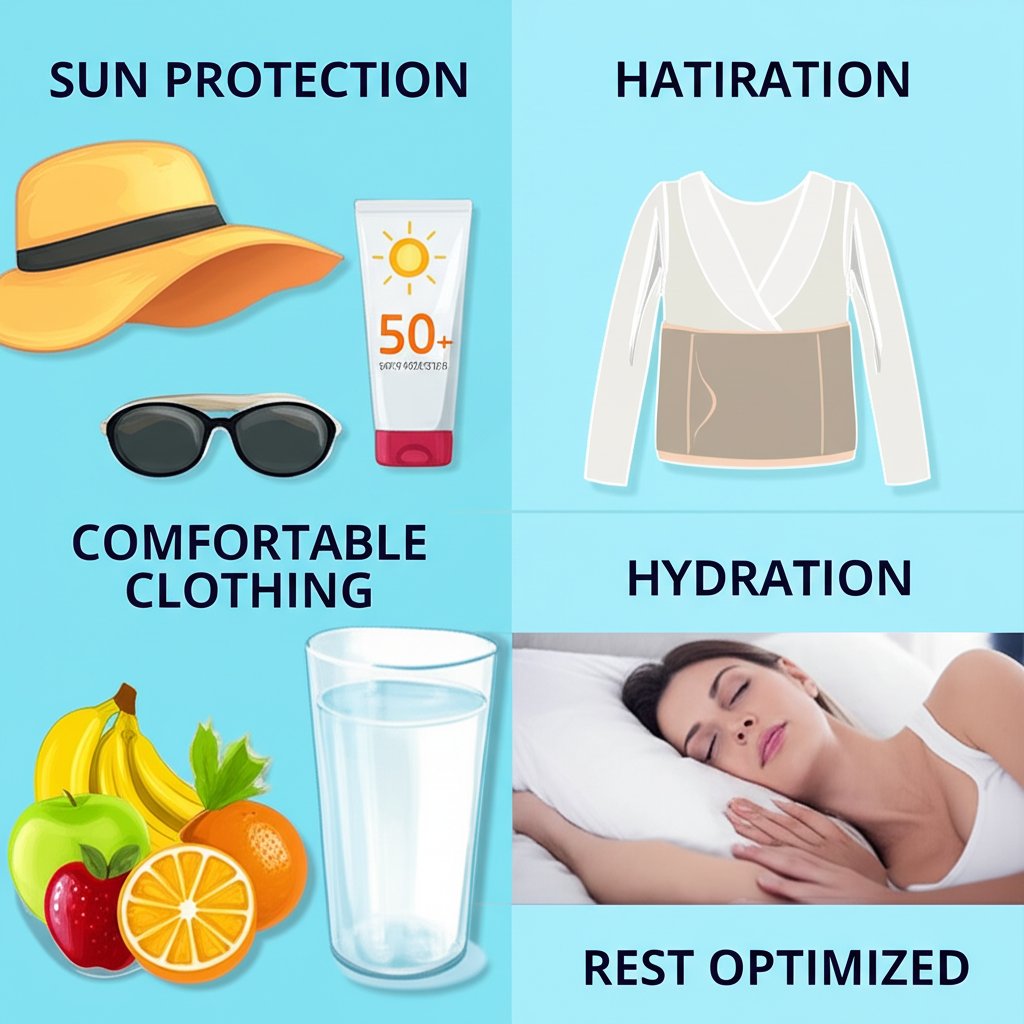
- Warmer Months: Wearing compression garments in heat can be quite challenging. Opt for breathable, lightweight fabrics and ensure the garments fit correctly to prevent skin irritation from perspiration. Prioritize comfort without compromising the garment's therapeutic function.
- Non-Negotiable Sun Protection: This remains paramount in all seasons, but vigilance must be significantly intensified during spring and summer:
- For Scars: New scars are exceptionally vulnerable to UV radiation for at least 6-12 months, which can cause them to permanently darken (post-inflammatory hyperpigmentation). Always apply a high-SPF (50+) broad-spectrum sunscreen. Physical barriers like hats, sunglasses, and UV-protective clothing are indispensable.
- Overall Skin Health: Protect all skin from excessive sun exposure to maintain overall skin integrity and prevent premature aging.
- Hydration and Nutrition: Crucial throughout the year, adequate hydration supports healing processes and overall well-being. In warmer months, increased fluid intake is vital to counterbalance fluid loss from perspiration and assist in swelling management.
- Activity and Rest: Regardless of the season, strict adherence to your surgeon's specific guidelines regarding rest and activity restrictions is fundamental. Avoid strenuous exercise that could elevate blood pressure or impact incision sites, particularly during the initial weeks of recovery.
Key Insight: Adapting your aftercare strategies to the specific nuances of each season is not merely advantageous, but absolutely critical for a seamless recovery, minimized complications, and superior long-term aesthetic results.
Frequently Asked Questions Regarding Seasonal Plastic Surgery
Patients frequently pose questions concerning how the time of year might influence their plastic surgery experience. Here are some of the most common inquiries:
Q: Is it possible to undergo plastic surgery during any season?
A: While technically feasible to have plastic surgery at any point throughout the year, careful consideration of seasonal influences on recovery, particularly sun exposure and ambient temperature, is highly recommended. Certain seasons inherently offer distinct benefits that can significantly optimize both healing and patient comfort.
Q: How precisely does sun exposure affect my scars after an operation?
A: Newly formed scars are extraordinarily delicate and exceedingly susceptible to ultraviolet (UV) radiation. Direct or extended sun exposure on healing incision sites can result in permanent darkening (hyperpigmentation), rendering the scars more conspicuous. Rigorous sun protection is crucial for a minimum of 6-12 months post-operation to ensure optimal scar maturation and a more pleasing aesthetic outcome.
Q: Is recovery from surgery more challenging in summer due to the heat?
A: Elevated temperatures and humidity can potentially exacerbate swelling and make the wearing of essential compression garments uncomfortable. Increased perspiration might also contribute to minor skin irritation. However, with meticulous pre-planning, proactive hydration, remaining in cool environments, and strict adherence to post-operative care instructions, a successful summer recovery is absolutely achievable.
Q: Which types of procedures are most suitable for the cooler months?
A: Procedures involving larger incisions or those on highly visible areas, such as facelifts, breast augmentation, abdominoplasty (tummy tucks), and extensive body contouring, often derive the greatest benefit from cooler, less sunny months. This timing minimizes the risk of scar discoloration, facilitates more comfortable swelling management, and allows for easier concealment of compression garments beneath everyday clothing.
Key Insight: Understanding these common concerns empowers patients to make more informed decisions and to engage proactively in their surgical journey.
Conclusion
The decision regarding the optimal time for plastic surgery is a multi-faceted one, with each season presenting its own unique array of advantages and potential drawbacks. While no single "best" season universally applies to every individual or every procedure, the cooler months, particularly winter and autumn, generally provide the most favorable conditions for recovery. This is largely due to reduced sun exposure and comfortable temperatures that aid in swelling management. Spring offers a balanced alternative, whereas summer demands the most stringent adherence to sun protection and heat management strategies.
Ultimately, the 'best' season for plastic surgery is profoundly personal, contingent upon individual availability, the specific procedure being undertaken, and, most critically, an unwavering commitment to comprehensive aftercare strategies. By thoughtfully evaluating seasonal factors and engaging in a thorough, personalized consultation with a qualified plastic surgeon, patients can confidently embark on their aesthetic journey, optimizing their experience for the safest and most successful possible outcome.
Tags
Related Articles
Korean Facelift Recovery: Your Essential Guide to Healing

How to Choose the Right Plastic Surgeon in Korea: An International Patient’s Guide