
Plastic Surgery Recovery Time: What to Expect After Your Procedure
Read about Plastic Surgery Recovery Time: What to Expect After Your Procedure on faceon
Plastic Surgery Recovery Time: What to Expect After Your Procedure
So, you've made that exciting decision – you're moving forward with a cosmetic procedure! This moment, choosing a path toward your aesthetic goals, is truly thrilling. But let's be honest, for many, especially our international clients, the period after the surgery—the recovery phase—can feel like the biggest mystery. How long will the swelling really last? When can you finally see those incredible, final results?
Navigating this healing journey doesn't have to feel like venturing into uncharted territory. At FaceOn, we understand that uncertainty often breeds anxiety. That's precisely why this comprehensive guide is here: to demystify your plastic surgery recovery entirely. Understanding what to expect, both physically and emotionally, isn't just helpful – it's the cornerstone of a successful outcome and a smoother, more confident return to your routine. Remember, recovery isn't passive; it's an active, crucial phase requiring dedicated care and insight. For unparalleled expertise in Korean plastic surgery, explore how FaceOn can support your journey.
This resource is designed to cut through any confusion, offering crystal-clear insights into your entire post-operative timeline. We’ll walk you through the general stages of healing, candidly explaining the normal side effects—like bruising, discomfort, and even emotional shifts—that are simply a part of your body's remarkable repair process. We’ll also touch upon realistic recovery expectations and highlight the unique individual factors that will shape your specific timeline.
Think of this as your essential, empathetic roadmap to recovery. By arming yourself with this knowledge, you can replace worry with proactive self-care and confidence. We’ll show you how to manage your recovery effectively, ensuring you have the support necessary to achieve those beautiful, desired results safely and joyfully. Let's get you prepared for your best recovery yet!
The General Stages of Plastic Surgery Recovery: A Roadmap
Embarking on a plastic surgery recovery journey is a process, and having a clear roadmap ahead is incredibly empowering. While everyone’s experience is wonderfully unique, most patients gracefully navigate a predictable sequence of healing stages. Knowing these general phases helps you set realistic expectations and embrace each step with confidence.
Immediate Post-Op (First 24-72 hours): The Nesting Phase
This initial period is often the most intense, but it's also where your body begins its incredible work. As the anesthesia gently wears off, you'll likely feel some significant discomfort, grogginess, and fatigue. Swelling and bruising will start to make their appearance, which is completely normal. Your dedicated medical team will ensure you have pain medication to manage symptoms, and having a trusted caregiver by your side is vital for support. Rest is your superpower during these critical first days – it’s how you kickstart your body’s magnificent healing process.Early Recovery (Day 3 - Week 2): Turning the Corner
Within just a few days, those acute symptoms typically begin to retreat. You’ll notice the swelling, while still present, gradually decreasing, and bruising may start to change color (a good sign!). Many patients find they can transition from prescription pain relief to over-the-counter options. This stage usually includes your initial follow-up appointments with your surgeon, where any drains or sutures might be removed, and your amazing healing progress will be assessed. Light daily activities can usually resume, but think gentle – strenuous movements remain restricted.Intermediate Recovery (Weeks 2-6): Glimpsing the Future
By this point, most of the visible bruising should have faded, and you'll likely see a significant reduction in swelling. Some subtle puffiness might still linger, especially after activity, but you’ll be much more comfortable. Your incision sites are beginning their quiet maturation process, transitioning from fresh wounds to early scars. This is a wonderful time to gradually reintroduce light exercises and more normal daily activities, always listening closely to your body’s wise signals and your surgeon’s advice.Late Recovery (6 weeks - 1 year): The Grand Reveal
The journey certainly doesn't end after a few weeks. Subtle, yet profoundly significant, healing continues beneath the surface for many months. During this long-term phase, your final, beautifully sculpted contours will truly emerge as any residual swelling completely resolves (this can take up to a full year for some procedures). Your scars will continue their fading and softening act, becoming less noticeable over time. You’ll typically be cleared to resume all normal activities, including strenuous exercise, empowering you to fully embrace and enjoy the magnificent results of your transformation.
Understanding the journey ahead is crucial for a smooth and successful plastic surgery recovery.
Navigating Common Post-Operative Side Effects

The healing journey after plastic surgery is deeply personal, and it's absolutely normal to experience a range of physical and emotional shifts. Understanding these common post-operative side effects can equip you with greater ease and reassurance as you navigate your recovery. You’re not alone in these experiences!
Pain and Discomfort: As the anesthesia gently subsides, you will likely feel some pain or discomfort at the surgical site, possibly accompanied by general achiness. Your surgeon will expertly provide prescribed medication to manage this effectively. The good news? This discomfort typically lessens significantly within the first few days, allowing for a gradual reduction in your pain relief. Adhering to your doctor's medication schedule is paramount for a comfortable and calm recovery.
Swelling and Bruising: These are practically universal and often the most noticeable immediate effects. While visible bruising usually fades within 2-3 weeks (think of it as your body's temporary art project!), significant swelling can persist for several weeks, with subtle resolution continuing for months. This takes patience. Compression garments, if prescribed, and gentle cold pack application are your best allies in helping to reduce these temporary companions. Remember, these appearances are fleeting and a natural part of your body's beautiful healing work.
Numbness and Tingling: It’s quite common to experience altered sensations, like numbness, tingling, or even heightened sensitivity around the treated areas. This occurs as tiny nerves begin to heal and regenerate following surgery. For most individuals, these sensations are a temporary phase and will gradually improve over your recovery period as nerve function gracefully normalizes.
Emotional Fluctuations (Post-Surgical Blues): Let’s talk about feelings – the emotional aspect of recovery is just as real and valid as the physical. Many patients experience what we lovingly call "post-surgical blues," characterized by feelings of anxiety, frustration, impatience, or even a touch of sadness. These emotions are perfectly normal responses to physical changes, discomfort, activity restrictions, and the often-eager waiting period for final results. Please, lean on your personal support system, and always feel empowered to communicate any persistent feelings with your compassionate medical team.
Fatigue: Your body is working incredibly hard internally, dedicating immense energy to healing and repair. It's completely common to feel unusually tired or low on energy, often more than you might anticipate. Prioritizing genuine rest and adequate sleep is absolutely crucial, allowing your body to focus its precious energy on a smooth and efficient healing process. Listen deeply to your body – it knows what it needs – and give it all the time it deserves.
Procedure-Specific Recovery Timelines: What to Expect for Popular Surgeries
Understanding your unique recovery journey is a cornerstone of preparing for plastic surgery. While general healing principles beautifully apply across the board, the specific downtime and aftercare instructions vary significantly depending on the procedure you choose. Knowing what to expect empowers you to plan your schedule, prepare your home, and approach your recovery with well-deserved confidence.
Please note: While this guide provides a general overview, specific recovery timelines for individual procedures like breast augmentation, rhinoplasty, or liposuction are highly detailed and best discussed during a personalized consultation with your FaceOn-affiliated surgeon. They will provide tailored expectations based on your specific procedure and individual health.
Key Factors Influencing Your Individual Recovery
Your journey to recovery after plastic surgery is as wonderfully personalized as you are. While general timelines offer a helpful guide, several individual factors play a significant role in how quickly and smoothly you heal. Understanding these variables will empower you to prepare proactively for your post-operative period and optimize your stunning results.
Type and Extent of Surgery: Unsurprisingly, the complexity of your procedure is a primary driver of recovery time. More invasive surgeries, such as a full tummy tuck or a comprehensive mommy makeover, involve extensive tissue manipulation and naturally command longer, more involved healing periods. Conversely, less extensive procedures, like eyelid surgery or targeted liposuction, typically offer shorter downtimes and quicker returns to daily life.
Individual Healing Capacity: Your body is truly amazing, and everyone responds uniquely to surgical trauma. Your genetic makeup and natural physiological processes are key players, dictating how efficiently your tissues repair themselves, how quickly swelling decides to subside, and even how visible bruising becomes. Some individuals are simply blessed with a predisposition for faster, more robust healing – it’s all part of your unique biological blueprint.
Age and Overall Health: Generally speaking, younger patients often experience more efficient healing due to better tissue elasticity and regenerative capabilities. However, excellent overall health is paramount for any age. Chronic conditions like diabetes, cardiovascular disease, or autoimmune disorders can significantly extend healing timelines by potentially impacting circulation or immune function. A healthy body is a healing body!
Adherence to Post-Op Instructions: This is arguably the most critical factor in your hands. Following your surgeon’s specific post-operative guidelines is absolutely crucial for preventing complications and optimizing your aesthetic results. This includes diligently taking prescribed medications, meticulous wound care, consistent use of compression garments, and strictly adhering to activity restrictions. Deviating from these expert instructions can severely delay healing or, in unfortunate cases, lead to adverse outcomes. Trust your surgeon!
Lifestyle Choices: Your daily habits wield immense power over your body’s ability to recover. Smoking, for instance, constricts blood vessels and drastically reduces oxygen delivery to healing tissues, significantly impeding the process. On the brighter side, a vibrant diet rich in protein, essential vitamins, and minerals, coupled with abundant hydration and sufficient rest, provides the exact building blocks and energy your body desperately needs for efficient, beautiful repair. Nutrition
Essential Tips for a Smooth and Accelerated Healing Process
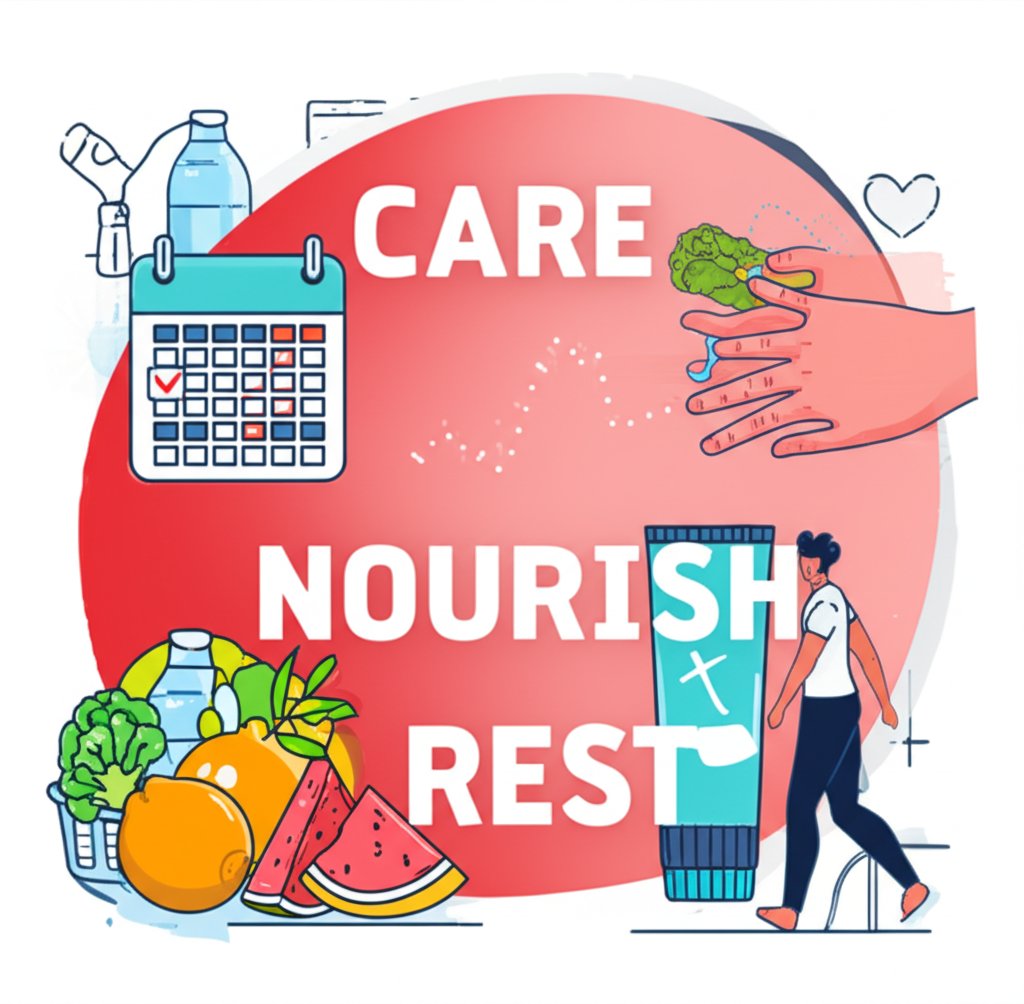
A truly successful plastic surgery outcome extends far beyond the operating room; it heavily relies on your thoughtful commitment to proper post-operative care. By actively participating in your recovery, you become your own best advocate, promoting optimal healing and enjoying your results sooner. Here are crucial, actionable tips to guide you toward a serene and accelerated recovery:
Strictly Follow Your Doctor's Orders: This isn't just advice; it's your personalized blueprint for success. Your surgeon will provide detailed, specific instructions regarding medications, wound care, and activity restrictions. Adhering to these guidelines precisely is absolutely vital for your safety, preventing complications, and achieving the best possible results. Never, ever hesitate to ask questions if anything feels unclear – your team is there for you!
Prepare Your Home Environment: Imagine stepping into a calm, supportive sanctuary post-surgery. Before your procedure, meticulously set up your recovery space. Stock your kitchen with easy-to-prepare, nutrient-dense foods like lean proteins, fresh fruits, and vibrant vegetables. Keep electrolyte drinks handy. Arrange for a trusted friend or family member to assist you for the critical first 24-72 hours, helping with medications, meals, and basic needs. Choose loose, comfortable clothing, such as button-down shirts, to avoid any straining on surgical sites.
Nourish Your Body: Think of your body as an intricate machine that needs premium fuel for repair. Fueling yourself with the right nutrients is paramount for healing. Prioritize a diet rich in protein, which is the cornerstone of tissue repair, alongside vitamins C, A, and zinc. Stay exceptionally well-hydrated by drinking plenty of water. Conversely, avoid foods high in sodium (which can increase swelling), and steer clear of alcohol and nicotine, as they significantly impede your healing process and elevate complication risks.
Rest and Gentle Movement: While abundant rest is your best friend in the initial days, incorporating light, gentle movement is equally important. Strike a beautiful balance: prioritize ample sleep alongside short, gentle walks around your home every few hours. This thoughtful movement helps improve circulation, subtly reduces swelling, and can prevent serious complications like blood clots. Always, always listen to your body’s wisdom and avoid any strenuous activities until lovingly cleared by your surgeon.
Incision and Scar Care: Proper, diligent care of your incisions is the key to minimizing scarring and achieving the best aesthetic outcome. Keep the areas clean with gentle soap and water as directed. Once your incisions have fully closed (typically around 2-3 weeks), your surgeon may recommend silicone sheets, gels, or gentle massage to further refine scar appearance. And a vital tip: always protect new scars from direct sun exposure for at least 12 months to prevent hyperpigmentation.
Attend Follow-Up Appointments: Even if you feel fantastic, attending all scheduled follow-up appointments is absolutely essential. These visits allow your FaceOn-affiliated surgeon to meticulously monitor your progress, assess for any potential complications, address any concerns you might have, and guide you on the next exciting steps of your recovery, including when you can safely resume all normal activities. Surgical Care
When to Call Your Doctor: Recognizing Warning Signs

Your safety and well-being during recovery are our absolute top priorities. While some discomfort and normal side effects are an expected part of healing, it’s crucial to know when a symptom might indicate a potential complication that requires immediate medical attention. Please, do not hesitate to contact your doctor right away if you experience any of the following:
- Fever: A temperature of 101°F (38.3°C) or higher.
- Persistent Vomiting: If nausea and vomiting continue uncontrollably, preventing you from keeping fluids down.
- Trouble Breathing: Any difficulty breathing, shortness of breath, or chest pain.
- Unrelieved Pain/Swelling: Intense, worsening pain or swelling that your prescribed medication doesn't alleviate.
- Excessive Bleeding or Discharge: Bleeding that saturates your dressings, or any foul-smelling, pus-like discharge from incision sites.
- Incision Changes: If an incision separates, or you notice spreading redness, warmth, or increasing tenderness around it.
These signs are important calls for immediate action and should never be ignored. Your dedicated medical team is always ready and eager to support you through every moment.
Partnering with FaceOn: Your Guide to a Confident Recovery
At FaceOn, we truly believe your journey to desired aesthetic results stretches beautifully beyond the operating room. We are profoundly committed to ensuring your patient safety and providing comprehensive, compassionate pre- and post-operative care, guiding you every step of the way. Our innovative platform connects you with experienced, board-certified surgeons and a dedicated support team, all meticulously chosen for their unparalleled expertise in Korean plastic surgery and patient-centered care.
We deeply understand that every patient's healing process is beautifully unique. That's why we help create personalized recovery plans, carefully tailored to your individual procedure and specific needs. Should any questions or concerns, big or small, arise during your healing journey, our accessible communication channels – including our user-friendly chat-style messenger app with live translation – ensure you’re never alone and always connected to expert guidance, exactly when you need it.
FaceOn embraces a holistic approach to recovery, wholeheartedly supporting both your physical healing and your precious emotional well-being. With us as your trusted guide, you can confidently navigate your path to achieving your desired aesthetic results, ensuring a smooth, supportive, and truly empowering experience from start to finish.
Embracing Your Transformation: The Path Beyond Surgery
Your recovery isn't just a phase; it's a vital, transformative part of your entire plastic surgery journey. Patience, self-compassion, and diligent adherence to your surgeon’s expert guidelines are the ultimate keys to unlocking your desired aesthetic outcomes. At FaceOn, we are here to support you far beyond the operating room, guiding you with care every step of the way. Feel empowered and truly confident in your decision, knowing you’re exceptionally well-prepared for a successful, beautiful recovery.
By now, navigating your recovery timeline feels much clearer, doesn't it? Remember that healing is a profoundly personal journey, wonderfully unique to you. While initial swelling, bruising, and even emotional shifts are normal, expected parts of the process, understanding this general roadmap helps you manage expectations with grace and foresight. Factors like your age, overall health, and the specific procedure you choose all significantly influence how long it takes to reveal your final, stunning results.
The most crucial element for your success remains your unwavering adherence to your surgeon’s personalized aftercare plan. This expert guidance covers everything from managing rest and optimizing nutrition to knowing exactly when gentle movement is appropriate. Please, do not underestimate the importance of following these instructions precisely; they are the carefully crafted blueprint for achieving beautiful, safe, and lasting outcomes. Recognizing that you are fully supported throughout this sensitive adjustment period is key to staying positive and empowered.
Preparing for recovery means preparing for every step ahead with certainty and calm confidence. If you're currently planning your cosmetic journey and seeking the highest level of professional guidance to ensure your post-operative care is flawless, FaceOn is absolutely here to support you. We connect you directly with trusted experts who specialize in these detailed recovery phases, ensuring you feel held and understood. Ready to move forward with certainty and clarity? Start your confidential consultation today via our platform and secure expert guidance for your entire path to truly transformative results.
Tags
Related Articles

Korean Facelift Recovery: Your Essential Guide to Healing

How to Choose the Right Plastic Surgeon in Korea: An International Patient’s Guide