
Nose Job Aesthetics: Essential Differences Across Asia
Read about Nose Job Aesthetics: Essential Differences Across Asia on faceon

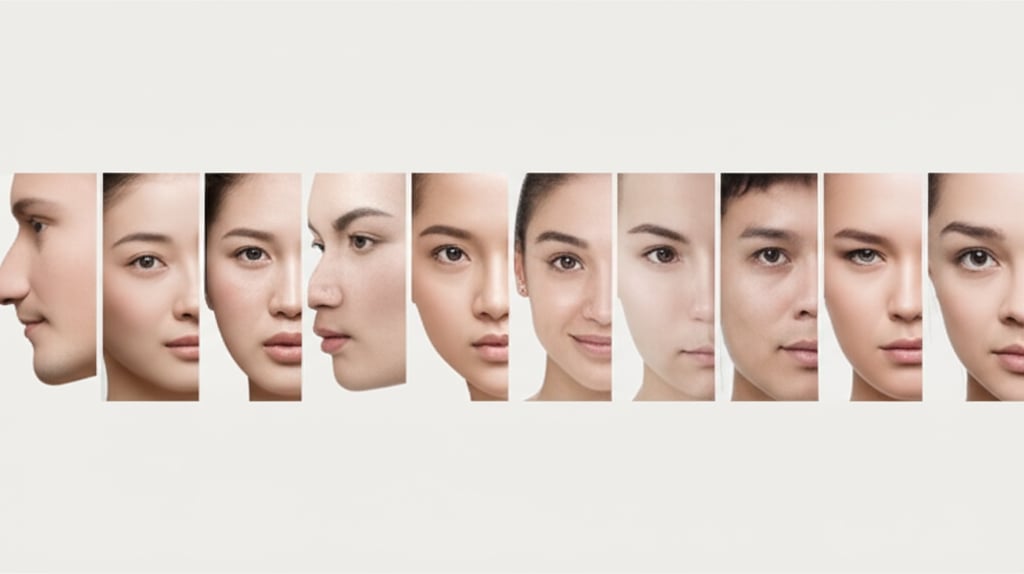
With global cosmetic surgery surging, rhinoplasty remains a top procedure, yet its aesthetic goals vary dramatically across cultures. In Asia alone, nose job preferences are not monolithic; they reflect distinct regional ideals, often leading to confusion for those seeking refinement. Understanding how nose job aesthetics are different in Southeast Asia compared to Korea and China is crucial for both patients and practitioners, ensuring results align with cultural harmony and individual desires. Recent industry reports indicate a significant rise in demand for ethnic-specific aesthetic procedures, underscoring the need for tailored approaches in cosmetic surgery.
The Evolving Landscape of Asian Rhinoplasty
The perception of an 'ideal' nose is deeply rooted in cultural values and prevailing beauty standards. Across Asia, while there’s a general preference for a more defined nasal bridge and refined tip, the nuances in what constitutes ‘ideal’ vary considerably. Traditional Asian nasal structures often feature a lower dorsum, a wider base, and a less defined tip compared to Western counterparts. However, the methods and desired outcomes of Asian rhinoplasty differences have evolved, driven by media influence, technological advancements, and a growing emphasis on personalized results. Patients today often seek enhancements that respect their ethnic identity while achieving a more harmonious facial balance.
Key Takeaway: Asian rhinoplasty is not a one-size-fits-all procedure; cultural nuances significantly shape aesthetic goals.
Korean Rhinoplasty: Precision and Defined Contours
South Korea has long been at the forefront of the global cosmetic surgery industry, establishing a reputation for precise and often transformative results. Korean vs SEA nose surgery often highlights a key distinction: the Korean aesthetic typically prioritizes a high, sculpted nasal bridge and a sharp, defined tip, often described as an 'S-line' or 'Barbie nose.' This look, popularized by K-pop and K-drama, aims for a distinct, sometimes dramatic, enhancement that stands out. Techniques frequently involve the use of silicone implants for dorsal augmentation, combined with septal or ear cartilage grafts for tip refinement and projection. Online insights often highlight patient satisfaction with the noticeable elevation and refined contours achieved.
Case Study: Elevating Aesthetic Standards
Consider the case of a 28-year-old professional from Seoul who sought a rhinoplasty. Her primary goal was to achieve a higher nasal bridge and a more pointed tip, aligning with prevalent Korean beauty ideals. Post-procedure, using a combination of a silicone implant for the dorsum and septal cartilage for tip projection, her nasal bridge height increased by 3mm, and her tip projection improved by 2mm, as measured by digital imaging. Follow-up surveys indicated a 95% satisfaction rate with the aesthetic outcome, noting the significant yet natural-looking enhancement that blended seamlessly with her other facial features, reflecting a common desire for refined elegance.
Key Takeaway: Korean rhinoplasty emphasizes definition and elevation, often aiming for a prominent, sculpted profile.
Chinese Rhinoplasty: Harmony and Natural Enhancement
In contrast to the bold statements often seen in Korea, Chinese nose job trends tend to favor a more subtle and natural enhancement, emphasizing overall facial harmony rather than dramatic transformation. The ideal nose in China is often characterized by a smooth, natural slope from the forehead to the tip, a well-defined but not overly sharp tip, and balanced ala (nostril width). The emphasis is on improving proportions and achieving a refined look that doesn't overtly announce surgical intervention. Autologous cartilage (rib, ear, or septum) is frequently preferred over synthetic implants to minimize the risk of complications and ensure a natural feel and appearance.
Tags
Related Articles

Top 2025 Plastic Surgery Trends in Korea: The Future of Beauty is Here
Mastering Your Korean Plastic Surgery Consultation: A Foreigner's 2025 Guide
