
Korean Rhinoplasty Trends: The Evolving Face of Beauty in Seoul
Read about Korean Rhinoplasty Trends: The Evolving Face of Beauty in Seoul on faceon

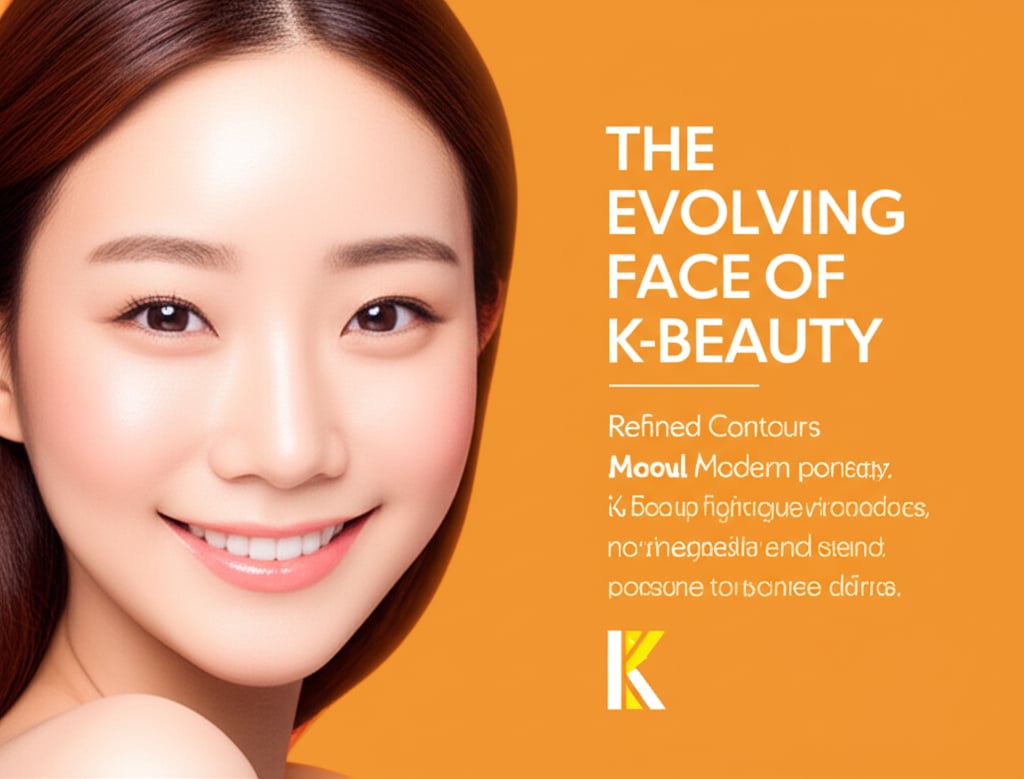
South Korea has long stood as the global epicenter of aesthetic refinement, with an astonishing 13.5 cosmetic procedures performed per 1,000 individuals, establishing an unmatched global standard in [plastic surgery]. This striking figure, as noted by industry sources, firmly positions Korea as a world leader in beauty augmentation. Among these diverse procedures, [rhinoplasty], or nose reshaping, remains a cornerstone, mirroring profound cultural beliefs and the ever-shifting currents of beauty norms. Over the past decade, Korean rhinoplasty has undergone substantial evolutions, transitioning from more uniform methods to highly individualized and subtly natural outcomes.
The Historical Tapestry of Korean Beauty and Nose Reshaping
Korea's quest for aesthetic perfection boasts a long and dynamic narrative, intricately linked with prevailing social values and the pervasive sway of media. Historically, before the 20th century, Korean notions of attractiveness frequently championed plump, rounded countenances and refined elements, symbols of affluence. Luminous, fair skin, reminiscent of porcelain, was held in high regard, signifying an esteemed position free from manual outdoor toil. Primitive forms of nasal alteration, though not exclusively for beauty, show roots in antiquated reconstructive practices, as recorded in diverse historical medical annals. Nevertheless, the emergence of contemporary aesthetic rhinoplasty, solely aimed at enhancing appearance, started to proliferate worldwide from the late 19th to early 20th centuries, as pioneering practitioners honed their approaches to mend nasal imperfections and improve facial symmetry.
The [Korean Wave] movement, kicking off in the 1990s, profoundly redefined these benchmarks. The worldwide ascent of [K-pop] and [K-drama] unveiled novel templates for beauty, highlighting traits like a 'petite face' accompanied by a sculpted [V-shaped jawline], and prominently, double eyelids. This epoch also marked increasing demand for a prominent, well-defined nasal bridge, which evolved into a highly desirable characteristic. This evolution was primarily propelled by the idealized visuals projected by popular idols, inspiring innumerable people to contemplate analogous makeovers. At first, the emphasis leaned towards bolder modifications, but as the sector developed, so too did the finesse of its results.
Key Insight: Korean aesthetic ideals and rhinoplasty inclinations have significantly progressed from their traditional roots to globally influenced, yet increasingly organic appearances.
Modern Rhinoplasty: Sculpting the Ideal Korean Nose Today
Current Korean rhinoplasty stands as a monument to meticulousness and skill, transcending a monolithic ideal to champion bespoke refinement. The modern quintessential nose in Korea features a prominent, linear bridge that forges a distinct profile, all while maintaining equilibrium with other facial elements. The nasal tip is frequently subtly elevated, lending a youthful and graceful feminine allure. This philosophy deviates from earlier preferences that might have favored excessively striking alterations, concentrating instead on crafting a nose that embodies the most refined, inherent iteration of an individual's own.
Surgeons currently leverage sophisticated [cartilage grafting] methods, frequently utilizing the patient's autologous cartilage, to attain understated yet significant outcomes. This technique enables superior accuracy and seamless integration with inherent features, diminishing the appearance of an 'operated' result. Common prototypes involve noses that enhance overall facial equilibrium without conspicuously modifying [ethnic characteristics], resulting in a poised and elegant look. The current movement leans toward subtle refinements, mirroring an aspiration for beauty that is uniquely Korean yet possesses broad appeal. This also encompasses the principle of ['baby face' contouring], where nasal reshaping contributes to a revitalized, youthful overall facial aesthetic.
Key Insight: Contemporary Korean rhinoplasty strives for a harmonious, youthful, and subtly enhanced appearance, shifting towards personalized outcomes.
Beyond Rhinoplasty: Complementary Procedures and Holistic Beauty
In Korea, rhinoplasty is frequently viewed as a component of an overarching strategy for achieving facial equilibrium. Supplementary [procedures] are commonly pursued to attain a harmonious aesthetic. For example, double eyelid surgery continues to be the most sought-after facial intervention, broadening the eyes and crafting a more distinct appearance that complements a refined nose. Similarly, [V-line surgery], which carves a more slender, defined jawline, is another favored option, contributing to the desirable heart-shaped visage that highlights a delicate nose. Further facial shaping interventions, like cheekbone reduction and chin augmentation, also enjoy popularity for perfecting overall facial symmetry.
Over the past ten years, there has been a significant surge in demand for non-surgical and minimally invasive therapies. Although conventional operations such as rhinoplasty remain in high demand, procedures including [Botox injections], [soft tissue fillers], and [laser skin rejuvenation] are rapidly rising in favor. These treatments provide quicker effects, reduced recovery periods, and can subtly improve features or preserve the results of surgical interventions. This progression signifies a holistic perspective on beauty, with clients seeking both major changes and continuous, less rigorous upkeep to sustain their desired look. Numerous [clinics] currently propose integrated treatment plans, merging surgical and non-surgical avenues to deliver tailored and authentically natural aesthetics.
Key Insight: A comprehensive approach often merges rhinoplasty with other procedures for balanced facial aesthetics, alongside a rising interest in less invasive methods.
The Pillars of Korean Plastic Surgery Excellence
Korea's undisputed standing as a world leader in [plastic surgery] rests on several fundamental cornerstones. A key determinant is the country's unwavering adoption of sophisticated technology. Korean [clinics] pioneer advancements, deploying state-of-the-art instruments such as [3D imaging] for meticulous operational blueprinting, enabling patients to preview prospective results with astonishing fidelity. This technological mastery also permeates surgical methodologies themselves, integrating less intrusive techniques that shorten recuperation periods and enhance patient ease.
Moreover, the sheer quantity of operations undertaken by Korean [surgeons] translates into unmatched proficiency. Given a culture that openly embraces, and indeed extols, aesthetic improvements, Korean [doctors] accumulate extensive experience, perfecting their methods to consistently yield outstanding outcomes. This considerable caseload also facilitates [cost savings]; despite providing top-tier quality, procedures in Korea are frequently more economical for global clients relative to Western nations, rendering it an appealing magnet for [medical tourism]. Favorable governmental frameworks that champion medical tourism, alongside a resilient healthcare infrastructure celebrated for its efficacy and excellence, further solidify Korea's standing. This confluence of elements positions Korea as a reliable nexus for individuals pursuing aesthetic metamorphoses.
Key Insight: Korea's leadership stems from its blend of advanced technology, expert surgeons, cultural embrace of aesthetics, and value for international patients.
Navigating Your Aesthetic Journey: Practical Considerations for International Clients
For overseas clientele contemplating plastic surgery in Korea, the path might appear formidable; however, dedicated platforms are now closing this divide, making it exceptionally approachable. Historically, a major obstacle has been securing direct access to certified and seasoned plastic surgery [surgeons] without the instant necessity of expensive global travel for preliminary discussions. Additionally, linguistic differences frequently present a considerable impediment, hindering clear discourse with medical experts.
Digital portals like one such as [FaceOn] are precisely crafted to alleviate these worries. This innovative online advisory service links individuals globally straight to celebrated plastic surgery [doctors] across Korea. Via its specialized app and web portal, it delivers real-time audio interpretation, guaranteeing that language never obstructs efficacious dialogue. This offering enables complimentary preliminary consultations, empowering potential patients to obtain expert counsel and direction from leading Korean plastic surgery hospitals and [doctors] from their own residences. Beyond initial dialogues, this platform also simplifies the scheduling of surgical appointments, promising a smooth and discreet journey. By utilizing such digital services, clients can surmount logistical challenges, reduce upfront travel costs, and cultivate confidence by accessing accredited proficiency and authentic client testimonials, thereby mitigating the apprehensions commonly linked with overseas medical procedures.
Key Insight: Overcoming common challenges in international medical tourism is crucial, with platforms offering accessible, verified consultations proving invaluable.
Future Horizons: The Next Decade of Korean Rhinoplasty

The forthcoming era of Korean rhinoplasty portends sustained breakthroughs and a more profound fusion of advanced technologies. Specialists foresee several pivotal tendencies molding the domain from 2025 to 2034. [Artificial intelligence] (AI) is poised to assume an increasingly crucial function, with AI-driven beauty assessment and surgical blueprints boosting accuracy and foresight. AI algorithms possess the capability to process extensive datasets, assisting [surgeons] in refining methodologies and realizing highly customized therapeutic strategies. This will culminate in results that are not merely visually appealing but also exquisitely customized to each person's distinct facial anatomy and aspirations.
A further notable progression involves enhancements in [3D printing] technology, enabling the fabrication of bespoke implants and grafts precisely contoured to a patient's specific anatomical features. This guarantees a superior fit and potentially lowers the likelihood of complications. [Regenerative medicine], encompassing [stem cell therapy] and [tissue engineering], similarly shows tremendous potential. Leveraging a patient's intrinsic cells to restore nasal cartilage might diminish the reliance on artificial substances, resulting in more authentic outcomes and mitigated dangers. The inclination towards less intrusive methods will also persist, with innovations such as [piezoelectric surgery] presenting milder approaches for bone reformation. In essence, the future anticipates an amplified focus on individualization, durability, and a blend of cultures, merging Korean aesthetic doctrines with worldwide inspirations to forge genuinely unique beauty remedies.
Key Insight: The future of Korean rhinoplasty is marked by technological innovation, greater personalization, and a holistic focus on patient well-being.
Realizing Your Vision: Client Experiences and Outcomes
The magnetic appeal of Korean plastic surgery is frequently underscored by the life-changing sagas of innumerable individuals. Take for instance 'Jia,' a global patient who pursued rhinoplasty in [Seoul]. Following preliminary virtual discussions via a specialized online portal, she painstakingly orchestrated her operation with a preeminent Korean [clinic]. Her [surgeon], leveraging cutting-edge 3D imaging, devised a custom surgical blueprint focused on subtly refining her nasal bridge and tip, ensuring perfect synergy with her native facial attributes. Subsequent to her surgery, Jia enjoyed a rapid recuperation, facilitated by the clinic's extensive post-operative regimen. Half a year on, her nose melded flawlessly with her countenance, elevating her entire look without appearing artificially modified. Jia's narrative echoes a prevalent feeling among many international clientele: the unwavering commitment to authentic outcomes and the superior level of patient care are of utmost importance.
Another case in point is 'Mark,' a male client swayed by the 'gentle masculinity' aesthetic championed by K-pop luminaries. He chose a discreet rhinoplasty complemented by jawline refinement. His account emphasizes the highly professional methodology and the emphasis on upholding masculine traits while attaining a polished appearance. He commented, "The outcome surpassed my hopes; it's a natural improvement that elevates my self-assurance without altering my essence." These stories accentuate the dedication of Korean plastic surgery [surgeons] to comprehending unique aspirations and providing results that appeal to an international demographic, solidifying the sector's renown for distinction and client contentment.
Key Insight: Successful aesthetic journeys highlight the importance of expert guidance and tailored approaches in achieving desired results.
Frequently Asked Questions about Korean Rhinoplasty
What makes Korean rhinoplasty unique?
The distinctiveness of Korean rhinoplasty methodologies lies in their focus on attaining organic balance and understated improvements, meticulously customized to each person's facial framework. Surgeons in Korea exhibit exceptional proficiency in sophisticated cartilage grafting and approaches sensitive to [ethnic characteristics], striving for outcomes that enhance inherent attributes instead of producing a 'Westernized' or overtly synthetic aesthetic. Their expertise centers on meticulous bridge augmentation and refined tip sculpting, fashioning a harmonious profile.
Is Korean rhinoplasty safe?
South Korea upholds stringent safety standards within its plastic surgery industry, underpinned by cutting-edge medical advancements and exceptionally seasoned [surgeons]. The substantial number of procedures undertaken contributes to an elevated degree of skill and robust, pre-existing safety guidelines. While inherent risks accompany any surgical intervention, Korean clinics prioritize patient well-being via exhaustive pre-operative evaluations and extensive aftercare programs.
How much does Korean rhinoplasty typically cost?
The expense of a nose reshaping operation in Korea fluctuates based on the intricacy of the procedure and the chosen clinic. Nevertheless, in comparison to Western nations, patients frequently discover substantial [cost savings], sometimes between 40% and 60% lower, all while benefiting from globally recognized care quality. Initial advisories, particularly via online portals such as [FaceOn], may be complimentary, facilitating the acquisition of provisional price estimates without immediate travel costs.
What is the recovery process like for a Korean nose job?
The recovery phase after rhinoplasty generally includes some puffiness and discoloration, which progressively diminish over a span of weeks. Korean clinics are recognized for their sophisticated recovery methodologies and extensive post-operative support schemes, meticulously devised to alleviate discomfort and expedite the healing trajectory. Although significant swelling might lessen within a few weeks, the definitive outcomes may require up to twelve months to fully reveal themselves as residual minor swelling dissipates.
How has the ideal nose shape changed over the last decade in Korea?
In the last decade, the quintessential nasal form has transitioned from favoring an intensely elevated bridge to a more inherently sculpted and gently elevated tip. The prevailing tendency highlights a symbiotic relationship with the entire facial composition, departing from uniform archetypes towards a bespoke aesthetic that accentuates individual beauty while preserving ethnic identity. A pronounced inclination exists for rejuvenated, youthful visages rather than obviously operated transformations.
Key Insight: Understanding common inquiries helps clarify the process and expectations for prospective patients.
Related Articles

Top 2025 Plastic Surgery Trends in Korea: The Future of Beauty is Here
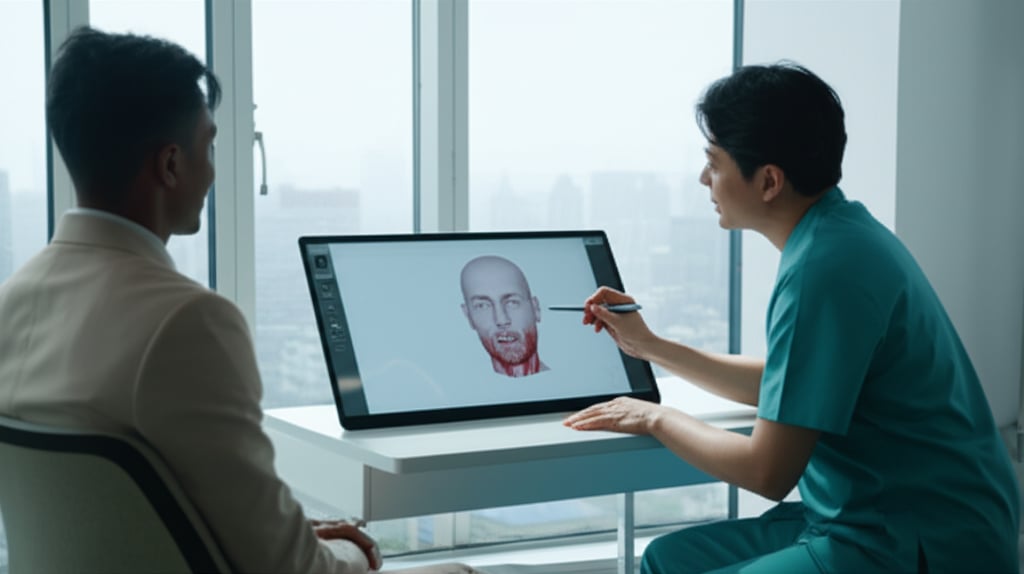
Mastering Your Korean Plastic Surgery Consultation: A Foreigner's 2025 Guide