Decoding the Healing Process: A Realistic Guide to Plastic Surgery Recovery Timelines in Korea
Read about Decoding the Healing Process: A Realistic Guide to Plastic Surgery Recovery Timelines in Korea on faceon
The obsession with the surgeon, the clinic, and the before-and-after photos? That's barely scratching the surface. The actual surgery? That's the straightforward part. And yes, Korean doctors are incredibly skilled with a scalpel – truly top-tier. But let's be blunt: what happens after they put that scalpel down? That's precisely where your real results are forged, or irrevocably ruined. You fly all this way, investing a significant sum, expecting nothing less than perfection. Yet, that perfection isn't simply handed to you. The recovery period is the absolute game-changer here, an active responsibility, especially for international patients. So, ditch the sugar-coating. This guide strips it all back, offering a brutally realistic breakdown of what to genuinely expect, minute-by-minute and week-by-week, as you heal from plastic surgery in Korea. No fluff, just the unvarnished truth you absolutely need to hear.
Brief & TL;DR
Forget the glossy brochures; your Korean plastic surgery journey is defined by a meticulous, often challenging, recovery. It's an active process that demands careful planning, especially for international patients, extending far beyond the operating table. Understanding and preparing for the comprehensive post-operative journey, from immediate discomfort to long-term healing, is as critical as choosing the right surgeon.
The First 72 Hours: Navigating the Peak of Swelling and Discomfort

Alright, let's be honest. Those first three days after surgery? They're going to be tough. You'll likely feel like you've been hit by a truck, and you might even question your decisions – but that's a perfectly normal part of the initiation. This is the ugly truth.
Swelling and bruising reach their peak, typically around day two or three. When you look in the mirror, it's common to feel a jolt of alarm, wondering "What have I done?" Your body is inflamed and actively responding to the trauma. Korean clinic guides consistently highlight that swelling peaks at the 48-72 hour mark, so any lopsided or exaggerated puffiness is usually part of the expected course. Even facelift patients on Reddit have shared experiences of feeling "puffy, tight and lopsided," so know you're not alone.
Minor bleeding or oozing is also common within the first 24 to 48 hours, but it should be minimal – not a gush. Don't panic over a bit of redness; it's a natural part of the healing process.
You'll also contend with significant fatigue, and your throat might feel rough from anesthesia, potentially accompanied by transient nausea. These usually clear up quickly, thankfully.
However, here's the crucial warning: the real problem stuff you absolutely need to watch for. A fever over 38.3°C (101°F) warrants an immediate call to your clinic. Rapidly escalating swelling, uncontrolled bleeding beyond a minor drip, or any foul-smelling drainage are all major red flags. Reputable medical tourism resources provide clear checklists for these critical symptoms – use them diligently. These first 72 hours are intense, but understanding the difference between normal discomfort and red-flag symptoms is absolutely critical for your safety and peace of mind.
Procedure-Specific Timelines: Your Week-by-Week Healing Map
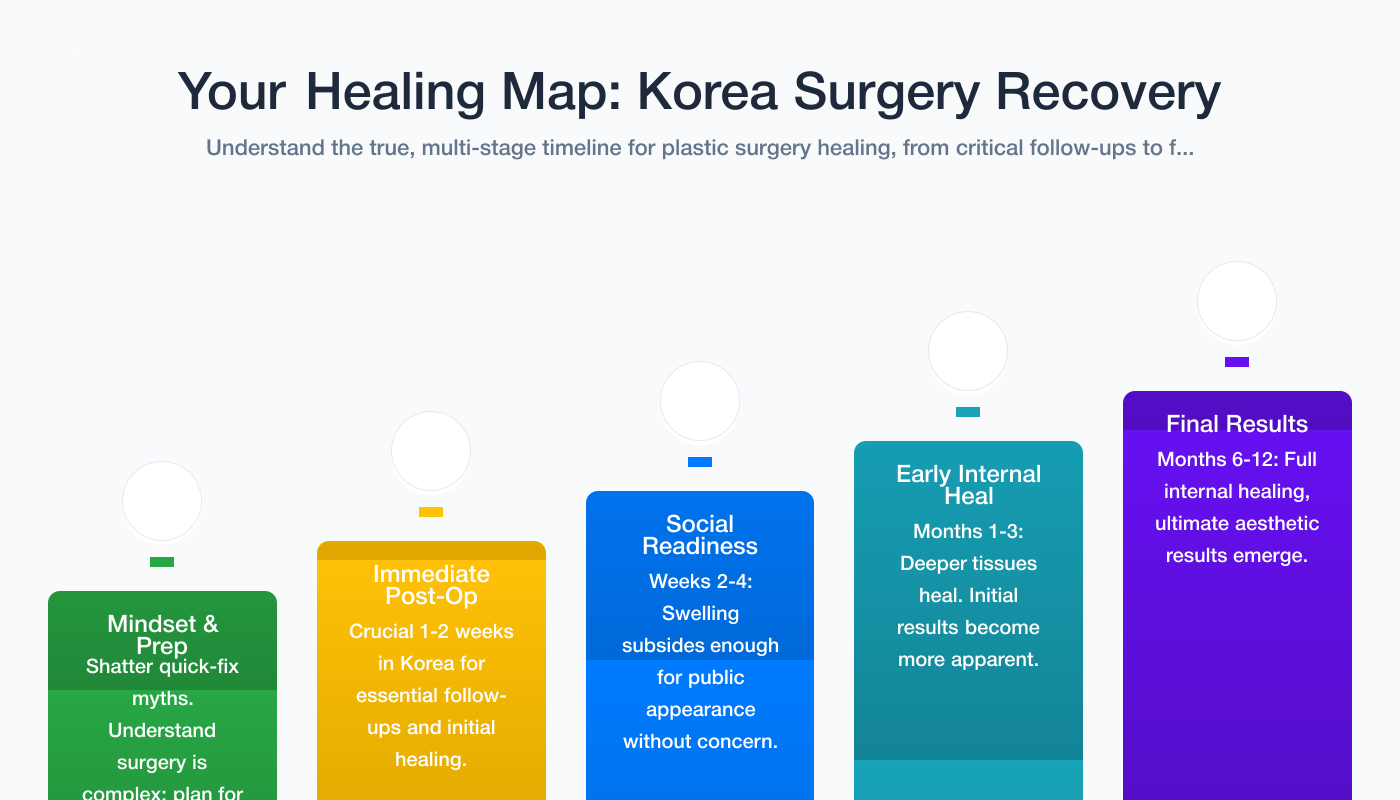
You've heard the glossy stories, haven't you? Get on a plane, undergo a quick fix, and return to your desk looking like a movie star in a week. Dismiss that entirely. It's pure fantasy. The reality is that your body isn't a manufacturing plant, and plastic surgery is, fundamentally, surgery—involving actual incisions. If you're considering surgery in Korea, you must adopt a realistic mindset about recovery, or you're setting yourself up for confusion and distress. This is not a vacation; it's a medical journey. While your surgeon's primary concern isn't your flight schedule, the non-negotiable time you must remain in Korea for critical follow-up appointments dramatically influences your entire experience. You need to map this out meticulously. "Social recovery"—the point at which you feel comfortable appearing in public without startling anyone—typically takes a few weeks. However, true, internal healing—the kind that delivers the final, desired results—spans months, often six to twelve months. You must internalize this, or you're starting with a fundamental misunderstanding. Every incision, every tuck, every procedure, comes with its own intricate and specific timeline and unique milestones that demand your respect and attention. The reality is that optimal recovery demands a committed, often lengthy, stay in Korea for critical follow-ups, and the journey to final results can span months, not weeks.
The Hard Truth: It's Not a Vacation
Let’s be blunt. That Instagram-perfect, immediate post-op life? It's either a carefully curated deception or just the superficial tip of a much larger iceberg. You will experience swelling. You will have drains. There will be stitches and bandages, possibly a splint. Because this isn't magic; it's medicine, and medicine demands time. Far too many mistakenly believe a week off work suffices for major surgery. That's simply unrealistic. Your required minimum stay in Korea, dictated by absolutely critical follow-up appointments, is not arbitrary. It's grounded in medical science, designed to ensure your safety and allow your doctor to meticulously monitor your healing progression. You cannot skip these. Even Similarweb (2024) data on medical tourism trends reveals that patients are now planning longer stays for serious procedures, reflecting a growing understanding of this reality. Your entire journey, from initial consultation to the final reveal, hinges on acknowledging and respecting these inconvenient truths. So, plan your time off, and your stay, around the real recovery clock, not some fantasy.
Your Operation, Your Schedule (ish)
No two procedures are identical, and no two bodies heal in precisely the same way. However, clinics operating at this level possess extensive experience, having guided thousands of patients through recovery. They have established general roadmaps, and countless patient accounts consistently corroborate these timelines. These aren't mere suggestions; they are your evidence-backed guides. You must adhere to them. While every body heals uniquely, procedure-specific timelines from experienced clinics are your non-negotiable guideposts, not mere suggestions.
Rhinoplasty: The Nose Job
This procedure is intricate, and since your nose is a focal point of your face, precision and proper healing are paramount. Your splint must remain in place until Day 5-7, no exceptions. During that initial week, you'll likely look as if you've had an unfortunate encounter with a brick – it’s an unavoidable part of the process. Avoid planning any significant social engagements, as the swelling is a prolonged, gradual fade, not an immediate disappearance. You will observe subtle shifts and refinements for months.
Eyelid Surgery (Blepharoplasty)
Whether it's upper, lower, or both, eyelid surgery involves delicate work in a highly visible area. The tiny sutures are removed relatively quickly, typically around Day 5-7. You should anticipate considerable bruising, akin to having gone several rounds in a boxing match. Therefore, you won't be camera-ready immediately after stitch removal. Dark glasses will be your essential accessory, along with a substantial dose of patience.
Facial Contouring: Jawline & More
This category encompasses significant procedures like jaw, cheekbone, or chin reduction, involving actual bone reshaping. This is far from a minor touch-up. Consequently, your absolute minimum stay in Korea will be a solid 14 days, at the very least. Patient diaries frequently detail 20-day stays to cover crucial follow-ups for combined jaw work and rhinoplasty. During this time, you'll manage drains, experience considerable swelling, and wear a compression garment that will become intimately familiar. Bones need time to settle, tissues require healing, and consistent monitoring is essential. You simply cannot rush this process.
Facelift: The Big One
The facelift is an extensive procedure designed to significantly turn back the clock, and its healing process is equally comprehensive. You will have sutures, but their removal is staged; some may come out around Day 5-7, while deeper or less visible ones remain longer, with final stitch removal typically occurring between Day 10-14. Thus, a week-long stay in Korea is entirely insufficient. Furthermore, the true, final "oh my god I look amazing" results won't fully manifest until six to twelve months have passed. Your face is a complex network of nerves, muscles, and skin, requiring ample time to settle into its rejuvenated state.
The Long Haul: Real Healing Takes Time
Here's the critical truth, for your own sanity: most of those "final results" you're envisioning, particularly for procedures like rhinoplasty or a full facelift, won't become apparent for six months, or even a full year. This isn't just about visible bruising and superficial swelling subsiding; it's about the deep, internal changes, the subtle tissue adjustments, and the complete resolution of deeper swelling. All of this demands considerable time. So, while you might be back at work in a few weeks, feeling "socially recovered," you are absolutely not done healing internally. You must accept this. Otherwise, you'll spend countless hours scrutinizing your reflection, convinced something has gone wrong. Nothing went wrong; you simply haven't finished healing yet. Practice patience. Use this time to prioritize your self-care. Because the best results come to those who understand the long game, not just the quick win.
The Korean Advantage: Advanced Post-Operative Care Services
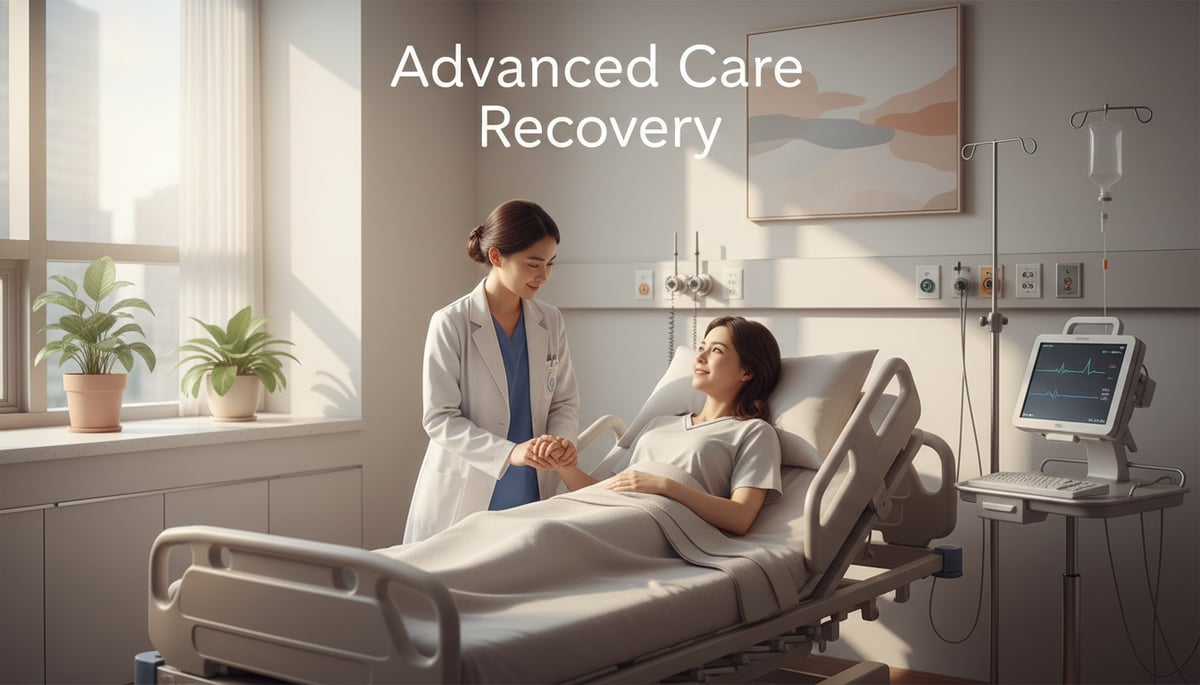
While Korean surgeons are undeniably world-class, their commitment to your well-being extends far beyond the operating room. What truly distinguishes the Korean plastic surgery experience, particularly for international patients, is their remarkably comprehensive and dedicated post-operative care. This isn't just an added perk; it's a critical component that significantly influences your recovery and final outcome. Many clinics boast sophisticated recovery programs rarely seen in Western facilities. These include specialized lymphatic drainage massages specifically designed to reduce swelling, often integrated directly into your treatment package. Furthermore, it's common to find clinics offering traditional Korean remedies like pumpkin juice or red bean soup, renowned for their natural anti-swelling properties. Dedicated recovery rooms, often staffed by multilingual nurses, ensure you are comfortable, monitored, and clearly understood during those vital initial days. The follow-up schedule is meticulous and unrushed, providing invaluable peace of mind. Korean clinics prioritize reducing your downtime and optimizing your results, viewing post-operative care as an essential, integrated extension of the surgery itself. This proactive, integrated approach to post-op care is a significant reason why patients often experience smoother, faster recoveries in Korea.
Beyond the Clinic: A Foreigner's Guide to Recovering in Seoul
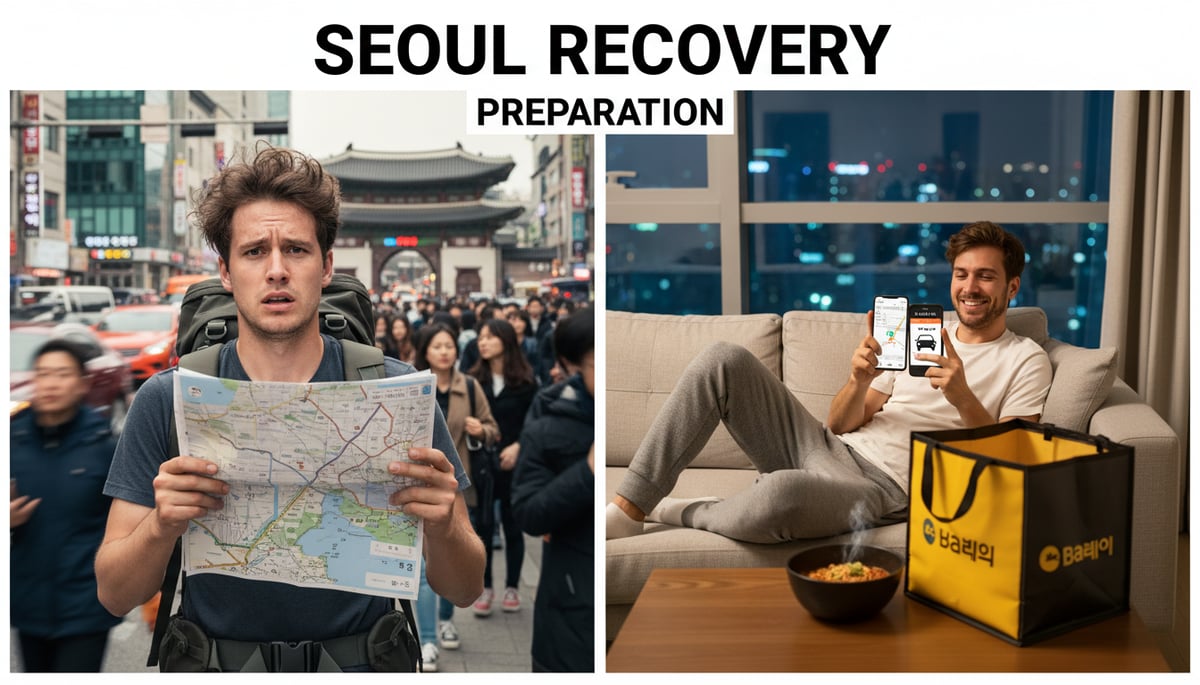
You've successfully booked your surgery – congratulations. However, the recovery phase is where many patients, especially foreigners in a bustling city like Seoul, falter. It's imperative to meticulously sort out various logistical challenges before you even land, as being disoriented and in pain in a foreign country can swiftly escalate into a nightmare. A smooth recovery abroad fundamentally hinges on resolving these practical issues beforehand, preventing them from becoming full-blown panic attacks. For international patients, a smooth recovery in Seoul hinges entirely on meticulous logistical pre-planning before you even land, transforming potential chaos into manageable discomfort.
Your Bed. Thinking a trendy neighborhood far from your clinic is a good idea? It's not. Not when you're stitched up, exhausted, and desperately just want to crawl into bed. Or when you're navigating back for follow-ups, potentially still feeling groggy. Every medical tourist guide emphasizes this: secure accommodation as close as humanly possible to your clinic. Otherwise, those miserable follow-up visits will be exponentially worse. A Reddit user's 20-day diary from a few years back powerfully underscored this point. Proximity isn't a perk; it's a freaking lifeline for those miserable follow-up visits.
Your Phone. Your high-tech smartphone is practically useless without the correct local apps in Korea. And Google Maps, while present, isn't always the most reliable for navigation. So, before you depart, download essential apps. You absolutely need KakaoMap for accurate directions, as aimlessly wandering while recovering is far from ideal. KakaoTaxi is indispensable unless you enjoy the frustration of trying to flag down cabs when you're barely standing. And for heaven's sake, acquire a decent translation app. Attempting to explain "my stitches hurt" to a taxi driver via charades is not a scenario you want to encounter. Download KakaoMap, KakaoTaxi, and a solid translator. Now. Or suffer the consequences.
Your Cash. Surgery is a substantial investment – you know this. While planning a large payment, have you notified your bank? If not, you must. You also need to understand their daily transaction limits. Nothing is worse than experiencing a large-sum card decline at the clinic counter, feeling unwell and partially sedated. A simple phone call now can prevent immense stress later. Seriously, call your bank. Notify them. Ask about limits. Don't skip this critical step.
Your Stomach. You will get hungry, but you'll likely be too sore, tired, or simply unwell to cook or even venture out. Food delivery is a lifesaver. Baemin is the dominant platform. However, many Korean food delivery apps notoriously reject foreign credit cards. That Reddit account I mentioned highlighted payment issues with food delivery as a persistent headache. The solution? Services like 'Help Me Emo' can facilitate orders for a small fee. Yes, it's an extra step, but it's infinitely better than going hungry or struggling to explain foreign card issues to a bewildered delivery driver. Don't let hunger add to your pain; use local payment solutions or a helper service like 'Help Me Emo'.
Timing Is Everything: Why the Season of Your Surgery Matters

You're contemplating plastic surgery in Korea. Excellent. Many are. But you absolutely must think beyond merely selecting the right surgeon. Most prospective patients completely overlook one of the most significant, yet obvious, factors: when you undergo the procedure. Misjudging the season can severely complicate your recovery.
The goal is to heal efficiently, with minimal complications. For Korea, this unequivocally means targeting autumn or winter – specifically from October through February. This period, characterized by colder and drier conditions, is your optimal window. Cooler temperatures are your greatest ally in managing post-surgical swelling. Seriously. The cold naturally reduces inflammation and prevents excessive puffiness. Clinical experience across virtually every Korean clinic confirms that heat prolongs swelling, which is precisely what you want to avoid.
Furthermore, consider UV radiation. The sun's harmful rays are detrimental to healing skin, potentially leading to unsightly hyperpigmentation (dark scars). During winter, the UV index significantly drops. Reduced sun exposure offers crucial protection for your new incisions, minimizing the risk of dark spots. Additionally, winter attire—hoodies, thick scarves—serves as immediate social camouflage, allowing you to recover discreetly without drawing unwanted attention.
Conversely, attempting surgery in summer—June, July, August—is a recipe for disaster. The heat is oppressive, and humidity can exceed 80%. This environment is a breeding ground for complications. Excessive sweating combined with healing incisions dramatically increases the risk of infection. The heat also causes blood vessels to dilate (vasodilation), leading to prolonged facial swelling. You'll likely resemble a chipmunk for far longer than necessary, and you'll be forced indoors while everyone else enjoys the short summer.
This isn't mere conjecture. Numerous in-depth articles from Korean clinics meticulously detail why specific seasons are advantageous or detrimental for recovery. The Korean medical tourism industry is immense—valued at $1.9 billion, with Similarweb (2024) data showing continuous growth—and they possess extensive data on recovery patterns spanning years. Patients consistently heal better, faster, and with fewer complications in colder, drier conditions. You now possess this vital insight. Most potential patients are completely unaware. Don't be the one who schedules surgery in July. Trust me, prioritize a winter appointment. Your face, and your recovery, will profoundly thank you.
The Journey Home and Beyond: Long-Term Healing and Scar Care
You've successfully made it home – excellent. But don't settle into complacency too quickly. That long-haul flight is a deceptive beast, often triggering a predictable swelling rebound. Expect the treated areas of your face or body to puff up again; this is entirely normal but can be alarming. To mitigate this, hydrate aggressively – drink water as if it's your full-time job. Get up, walk the aisles, and stretch regularly. And under no circumstances should you consider ditching the compression garments your surgeon prescribed. While they may be uncomfortable, they are indispensable for managing swelling and promoting proper healing. This isn't theoretical; every medical professional and recovery guide emphasizes that long flights can reactivate swelling.
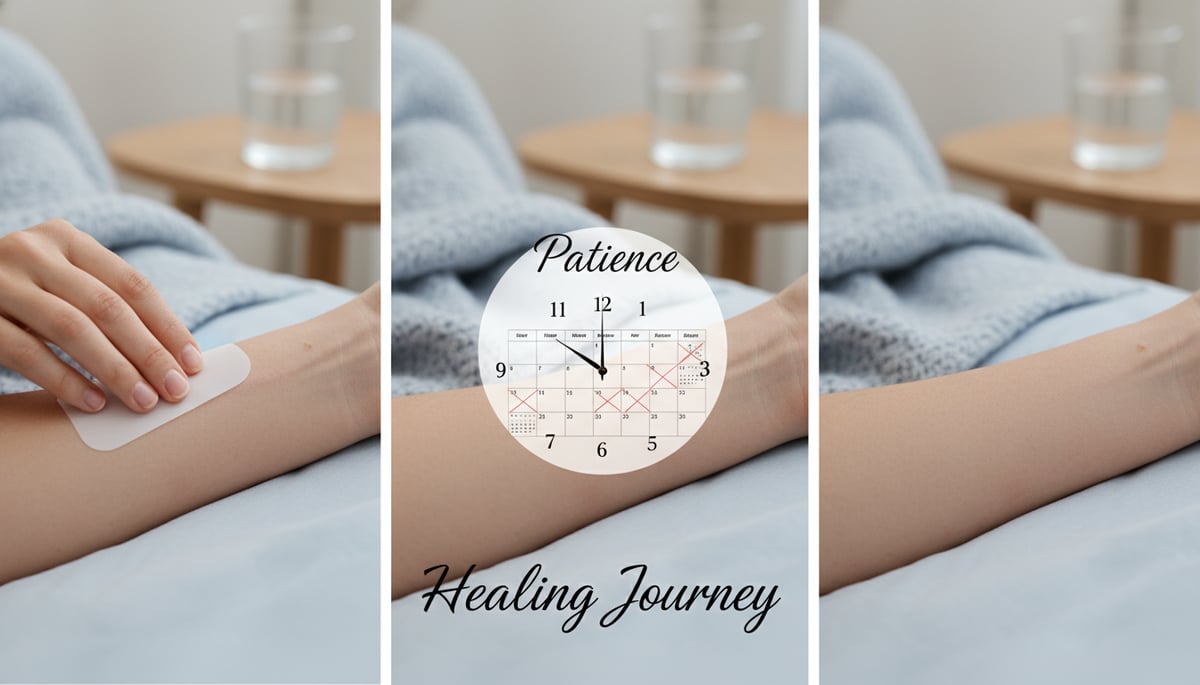
Your incisions are now closed – finally. This is where many individuals make a critical error: they assume the healing process is over. But your scars? They're far from done. You must actively manage them for months. Consistently apply silicone gels or tapes every single day. It's a tedious commitment, but it makes a profound difference. I've witnessed countless angry red lines fade to near invisibility with diligent effort, and just as many people regret their complacency. Any reputable facelift review on Reddit (that 6-month post-op thread is invaluable) consistently highlights scar care as a crucial point. It’s not merely a suggestion; it’s an essential part of the journey.
And then there's patience. Oh, my God, you will need immense patience. The final, refined results won't materialize for a significant period – typically six months, possibly a year, or even longer for certain procedures. Your tissues require ample time to settle, and all those subtle internal changes unfold gradually. So, resist the urge to constantly scrutinize your reflection on day five, or week three, or even month two. You'll only drive yourself to distraction. And avoid the impulse to seek additional procedures, like RF skin tightening (Ultherapy or Thermage), too soon. Premature interventions can disrupt the natural healing process. Surgical guidelines unequivocally state: wait. Rushing this stage risks undermining everything you've invested.
Your skin is still actively healing, demanding gentle care. Steer clear of harsh products – acids, retinoids, aggressive skincare treatments – until your surgeon explicitly clears them. You wouldn't apply sandpaper to a fresh wound, would you? So, don't treat your newly refined face with harsh chemicals. It's a delicate masterpiece in progress. Treat it accordingly. If you desire optimal results, commit to the work – the right work. This isn't a sprint. It’s a damn marathon.
Alright, enough with the soft-shoe shuffle. You came here for the truth about undergoing plastic surgery and recovery in Korea. So, let’s get to it.
Here’s the straight dope:
- Stop thinking recovery is a passive ride. It’s an active grind, from start to finish. You have to be strategic about it, especially as an international patient. That meticulous planning? It's half the battle, and frankly, where most people mess up.
- Those first 72 hours? They will suck. Swelling, discomfort – that's your body's intense, often impolite, reaction. But after that, every procedure follows its own distinct timeline. Don't mistakenly compare your jawline recovery to someone else's nose job.
- And yes, the Koreans are masters of the surgery itself, but their post-operative game? It’s truly top-tier. Those advanced aftercare services aren't just a perk; they're essential. Leverage them fully. They make a profound difference between an 'okay' outcome and a 'damn good' one.
There's no magic wand for healing. Just exceptional surgeons, intelligent aftercare, and a healthy dose of realistic expectations. The alternative is regret.
So, stop merely Googling pretty faces. Go talk to a real expert. Someone who can genuinely provide you with a straight answer on what your specific recovery timeline will look like. Plan your recovery like it's a critical mission, not a leisurely vacation. You wouldn't parachute into unfamiliar territory without a map, would you? Get serious.
Tags
Related Articles
Korean Facelift Recovery: Your Essential Guide to Healing

How to Choose the Right Plastic Surgeon in Korea: A Guide for International Patients