
Your Pre-Consultation Checklist for Plastic Surgery in Korea: A Foreigner’s Guide
Read about Your Pre-Consultation Checklist for Plastic Surgery in Korea: A Foreigner’s Guide on faceon

Korean plastic surgery. Everyone raves about the results, but few discuss the meticulous preparation required before you even board the plane. As a foreigner, this isn't a casual visit to your local dermatologist; it's an entirely different landscape. If you believe arriving with a few inspiration photos is sufficient, you're gravely mistaken. This journey extends far beyond simply finding a reputable doctor. It's fundamentally about safeguarding yourself from exploitation and ensuring a successful outcome. This guide offers the blunt truth: a comprehensive pre-consultation checklist covering everything you need to meticulously arrange before booking that flight. Trust us, a little proactive homework now can prevent a lifetime of regret and heartache later.
TL;DR
Going for surgery in Korea? That's ambitious. But understand this isn't an easy path; it demands rigorous preparation. Fail to do your homework, and you risk severe complications. It’s that simple.
Start by defining your actual desires with decent, standardized photos. Then, rigorously research clinics—not just their ads. Uncover the surgeon's full name, their specialized field, and verifiable credentials, as these are paramount.
Next, prepare for the consultation. Arm yourself with a detailed checklist. Demand to know who will perform your surgery, their full name, the safety protocols, and the aftercare plan. Insist on a fully itemized breakdown of costs in KRW; reject vague 'packages.' Push for transparency.
Once you’ve chosen, immediate lifestyle changes are crucial. Quit smoking (2-4 weeks minimum, as documented by sources like Similarweb (2024)), cease alcohol consumption, and discontinue blood-thinning agents like aspirin, fish oil, and ginkgo. Neglecting this leads to complications. If the surgeon isn't present for your consult, run. Pressure sales tactics or a lack of pre-operative tests are massive red flags.
Crucially, get everything in writing: the surgeon's name, the surgical plan, and the revision policy. Verbal promises are worthless. You need documented proof to discern when you're being manipulated and when to walk away. To succeed in Korean plastic surgery, meticulous preparation and informed vigilance are non-negotiable.
Brief: Setting the Foundation for Success
Navigating the world of Korean plastic surgery requires more than just a dream; it demands a strategic, phased approach to ensure safety, satisfaction, and ultimately, success. The following sections outline the critical steps you must undertake, from initial self-assessment and rigorous clinic vetting to essential health preparations and recognizing potential pitfalls. Each phase builds upon the last, forming an unbreakable chain of due diligence that empowers you as the patient. Embracing these foundational steps will dramatically enhance your journey, transforming aspiration into a safely realized outcome.
Phase 1: Pre-Contact Groundwork and Clinic Vetting
Before engaging any clinic, it's essential to solidify your vision. A vague desire for a "nose job" or "eye surgery" is insufficient. You must articulate your exact goals, backed by visual aids. Compile a collection of inspiration photos, clearly indicating what you like and dislike, as this significantly aids communication.

Concurrently, prepare high-quality, recent photographs of your own face or target area. These should include frontal, profile, and forty-five-degree angles, as clinics will require them for any virtual consultation to avoid wasting everyone's time.
Beyond visual preparation, rigorous clinic vetting is non-negotiable. Move past superficial Instagram feeds to scrutinize verifiable credentials. Confirm that surgeons are board-certified and officially recognized by the government. A polished social media presence means nothing without a legitimate operational license and a proven track record, especially with international patients. A truly trustworthy clinic will offer a customized surgical plan detailing specific techniques, not a generic, copy-pasted response. Legitimate clinics registered to treat foreign patients will readily provide their official registration number.
Finally, meticulously gather your complete medical history. This includes all chronic conditions, past surgeries, any unusual health incidents, and every medication or supplement you are currently taking. This comprehensive data is critical for your safety; failure to disclose it can lead to severe complications. Ensure you have a detailed list of all medications to discuss and clear with your prospective surgeon. Thorough self-assessment and initial research are foundational; without them, a consultation is inefficient and you cannot properly vet a clinic's suitability.
Phase 2: The Critical Online Consultation Checklist
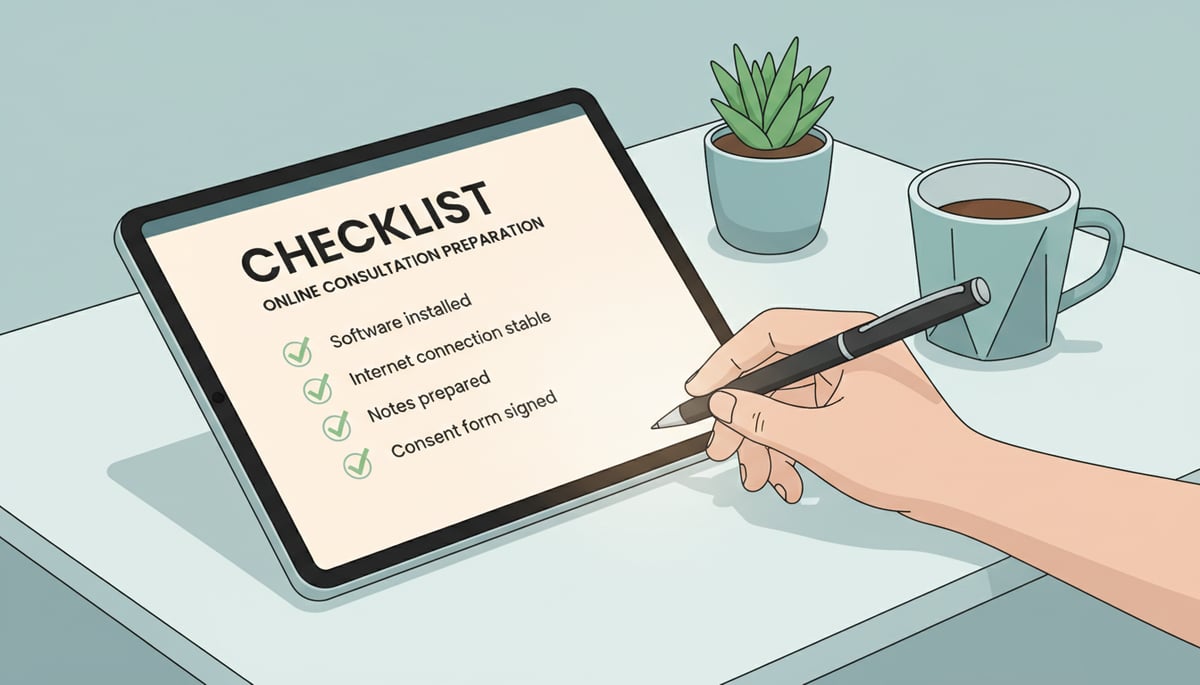
Once your initial groundwork is complete, the online consultation phase serves as your primary opportunity to gather crucial information and evaluate a clinic's transparency and professionalism. Treat this interaction with the seriousness it deserves, armed with a comprehensive checklist of questions designed to protect your interests.
- Surgeon Identification: Demand the full name of the surgeon who will be performing your procedure. Ask about their specific experience with your desired surgery and their board certifications. Do not accept a generic "team" or "clinic" response.
- Surgical Plan & Techniques: Insist on a detailed explanation of the proposed surgical techniques. Ask why these specific methods are recommended for your anatomy and desired outcome. Be wary of one-size-fits-all approaches.
- Cost Transparency: Request a fully itemized breakdown of all costs in Korean Won (KRW). This must include surgery fees, anesthesia, hospital stay, post-operative care, and any potential revision policy costs. Reject any "package deals" that lack clear individual pricing.
- Safety Protocols: Inquire about their emergency procedures, anesthesia monitoring, and post-operative recovery facilities. Ask about the qualifications of the anesthesiologist (are they board-certified?).
- Aftercare & Follow-up: Get clear details on the post-operative care schedule, what it entails (e.g., stitch removal, swelling management), and who will be responsible for it. Understand the timeline for returning home safely.
- Revision Policy: Crucially, ask about their policy for revisions in case of unsatisfactory results or complications. Get this explicitly detailed in writing.
- International Patient Support: Confirm what services are provided for international patients, such as language interpreters, airport transfers, and accommodation assistance.
- Pre-operative Tests: Ask about the mandatory pre-operative tests (blood work, ECG, etc.) and when they are conducted. This is a non-negotiable safety measure.
A comprehensive online consultation is your first real test of a clinic's commitment to patient safety and transparent communication.
Phase 3: Essential Pre-Operative Health and Lifestyle Preparations
It's a blunt truth: if you compromise on pre-operative preparations, you jeopardize the entire outcome of your surgery. Your results, your recovery, and even your safety aren't solely dependent on the surgeon's skill; numerous variables are within your control. Underestimating these guidelines is where the real danger lies. These aren't mere suggestions; they are the absolute minimum requirements to mitigate risks like anesthesia complications, excessive bleeding, and prolonged, difficult recoveries.
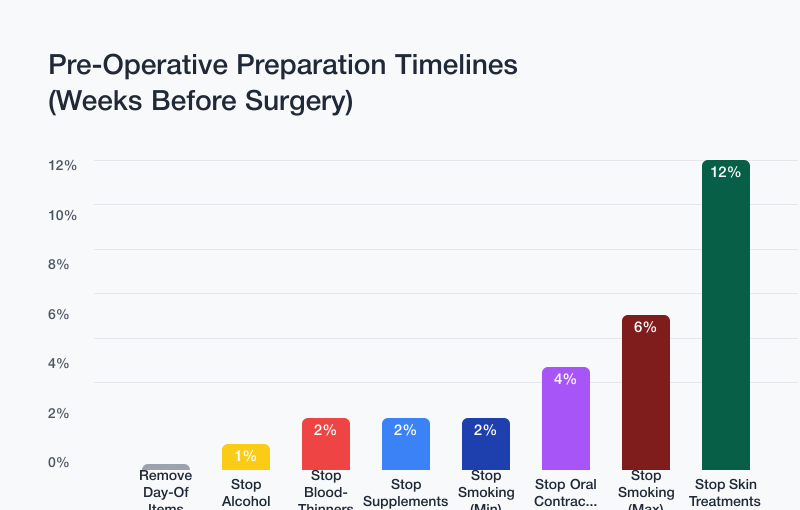
Smoking and Alcohol Cessation: This is non-negotiable. For smokers, complete cessation is required a minimum of 2-4 weeks prior to surgery, extending to six weeks for major procedures. Smoking severely impairs blood clotting (hemostasis) and constricts tiny blood vessels vital for skin healing. Alcohol must be stopped 3-7 days beforehand due as it acts as a blood thinner, increasing bleeding risk.
Discontinue Blood-Thinning Medications: If you're on aspirin, ibuprofen (NSAIDs), warfarin, or even oral contraceptives (which pose a clotting risk and should be stopped four weeks out), you must stop them according to your clinic's instructions, typically 1-2 weeks pre-op. These significantly increase intraoperative bleeding. Always follow specific medical advice.
Cease All Supplements: Many "natural" supplements—including Vitamin E, ginseng, ginkgo, fish oil, and garlic—possess blood-thinning properties or can interfere with anesthesia. All supplements must be discontinued a minimum of two weeks before surgery, without exception.
Avoid Recent Skin Treatments (for facial procedures): For facelifts, avoid energy-based treatments like Ultherapy or Thermage on the surgical area for at least three months prior. These can compromise skin integrity, leading to complications during surgery and healing.
The Day of Surgery Protocol: On the day of your procedure, shower thoroughly and ensure meticulous hygiene. Critically, all nail polish, gel nails, manicures, and pedicures must be removed. Pulse oximeters, essential for monitoring blood oxygen, require direct contact with your natural nail bed. Similarly, remove all piercings and eyelash extensions; metal can interfere with electrical surgical equipment (burn risk), and extensions obstruct the surgical field. Your safety is paramount, and these seemingly minor details contribute significantly. As search trends (Similarweb (2024)) reveal, many mistakenly focus on what can be kept, rather than what must be removed.
This isn't just rules for rules' sake; it's about avoiding adverse outcomes and ensuring the best possible healing. Listen, comply, and prioritize your health for a smoother recovery.
How to Spot Red Flags in a Clinic's Response

In the competitive world of cosmetic surgery, many clinics prioritize profit over patient well-being. Therefore, acute vigilance is paramount. Your objective isn't merely to find the cheapest option, but a reputable practice that safeguards your health and delivers ethical care. Trustworthy clinics operate with unwavering transparency and a commitment to patient education, while risky ones often resort to high-pressure tactics, vague responses, and marketing hype.
Firstly, beware the Vagueness Game. If you inquire about the surgeon's identity and receive evasive answers or a corporate name instead of an individual doctor, that's a significant warning. Similarly, cost discussions that are deferred or described as "variable" are unacceptable; demand specific, itemized figures. A revision policy must be provided in writing; a clinic unwilling to document it is unlikely to honor it. Even data from Similarweb (2024) shows that prospective patients actively seek concrete information, not ambiguity.
Next, recognize high-pressure sales tactics. Phrases like "Book today for a special discount!" or "This offer expires soon!" are designed to rush your decision. Resist any attempts to coerce an immediate deposit. Furthermore, if a clinic discourages seeking a second opinion, it's a major red flag; reputable practices welcome patient due diligence. This isn't a hasty retail purchase; it's a medical procedure.
During your initial consultation, a critical red flag is meeting only a coordinator or "consultant," with no direct interaction with the actual surgeon. You must engage with the doctor who will perform your surgery, ideally on at least two occasions: for the initial consult and again pre-operatively. Trust is built on direct communication.
Be wary of unrealistic promises. Claims of "no scarring" or "painless recovery" are deceptive. Surgery inherently involves scarring and discomfort. Clinics that dismiss concerns about potential complications or promise fantastical outcomes are prioritizing sales over honest medical counsel, which is inherently dangerous.
The most egregious and unforgivable red flag is the absence of pre-operative tests, such as blood work or an ECG, especially for procedures involving general anesthesia. This isn't merely a warning sign; it signifies a profound disregard for patient safety and constitutes a major medical failure. A truly trustworthy clinic dedicates time to thorough patient assessment, education, and meticulous planning. Anything less is a perilous shortcut. Bottom line: If a clinic lacks transparency, employs pressure tactics, or shields you from the surgeon, walk away immediately.
Frequently Asked Questions (FAQs)
How soon after a consultation can I get surgery?
Clinics may sometimes suggest "tomorrow," but this is often a trap. You require time – at least two, preferably three days. This period is crucial not just for rest, but for completing mandatory pre-operative tests and, most importantly, for thoughtful deliberation. Avoid feeling pressured into a life-altering decision simply because you're already on location. Prioritize ample breathing room to make informed decisions and ensure essential pre-op checks are completed.
Will I even meet the surgeon, or just some coordinator?
You must meet the actual operating surgeon, unequivocally. If a clinic attempts to circumvent this, offering only a representative or a fleeting glimpse of the doctor, consider it a massive red flag. Direct consultation with your surgeon, ideally twice (once for initial consult, again pre-surgery), is essential for establishing trust and clarifying expectations.
Can I get a bunch of procedures done on one trip?
While it's common for patients to combine multiple procedures, especially if they are in good health, the final decision rests with the surgeon. They will assess the cumulative operating time and overall safety for your specific case. Never push for more than what is medically advisable.
What if I don't speak Korean?
Reputable clinics catering to international patients are well-equipped with multilingual staff and professional interpreters (English, Chinese, Japanese, etc.). Crucially, all critical documents, including consent forms, must be provided in your native language to ensure full comprehension before signing.
What's the minimum time I should plan to stay in Korea?
The required stay varies significantly based on the procedure. Minor interventions, like non-incisional eyelid work, might only need two days. However, extensive surgeries such as a full SMAS facelift necessitate a minimum of fourteen days for proper follow-up, stitch removal, and adequate initial healing. Do not depart before your body is medically ready.
Alright, listen up. You’ve navigated the complexities of this advice, and that's commendable. Because while the allure of the "Korean look" is strong, countless individuals bypass the critical, often unglamorous, steps essential for safe and successful outcomes. This isn't a casual purchase; it’s a significant surgical alteration to your face and body. There’s no return policy if you get this wrong.
So, here’s the unvarnished truth:
- Be the CEO of your own transformation. No one will advocate for your safety and satisfaction more than you should. This demands going beyond glossy Instagram feeds, meticulously defining your desired outcome, taking clear standardized photos, and vetting clinics with the rigor of a life-altering decision.
- Demand explicit, written answers to uncomfortable questions. Who is the actual surgeon? What are the fully itemized costs in KRW? What specific protocols are in place for safety, aftercare, and potential revisions? Any hesitation or vagueness in their response is a significant warning.
- Prepare your body and mind like a high-stakes mission. Cease smoking, alcohol, and any dubious supplements weeks in advance. Develop an acute awareness for red flags—the elusive surgeon, aggressive sales tactics, or the absence of crucial pre-operative medical tests. Your intuition is a powerful safeguard; trust it.
Ultimately, this journey isn't about chasing fleeting trends or the lowest price. It's about securing competent, accountable medical care. Your future appearance and well-being hinge entirely on the diligence you exercise now.
What's the immediate next step? Stop overthinking. Begin asking those tough questions, initiate those initial consultations, and if language presents a barrier, proactively secure professional translation services without delay.
Tags
Related Articles

How to Choose the Right Plastic Surgeon in Korea: A Guide for International Patients

Online Consult Savings: The Shocking Truth About Korean Plastic Surgery