A Korean Dermatologist's Guide to Seasonal Skincare
Read about A Korean Dermatologist's Guide to Seasonal Skincare on faceon
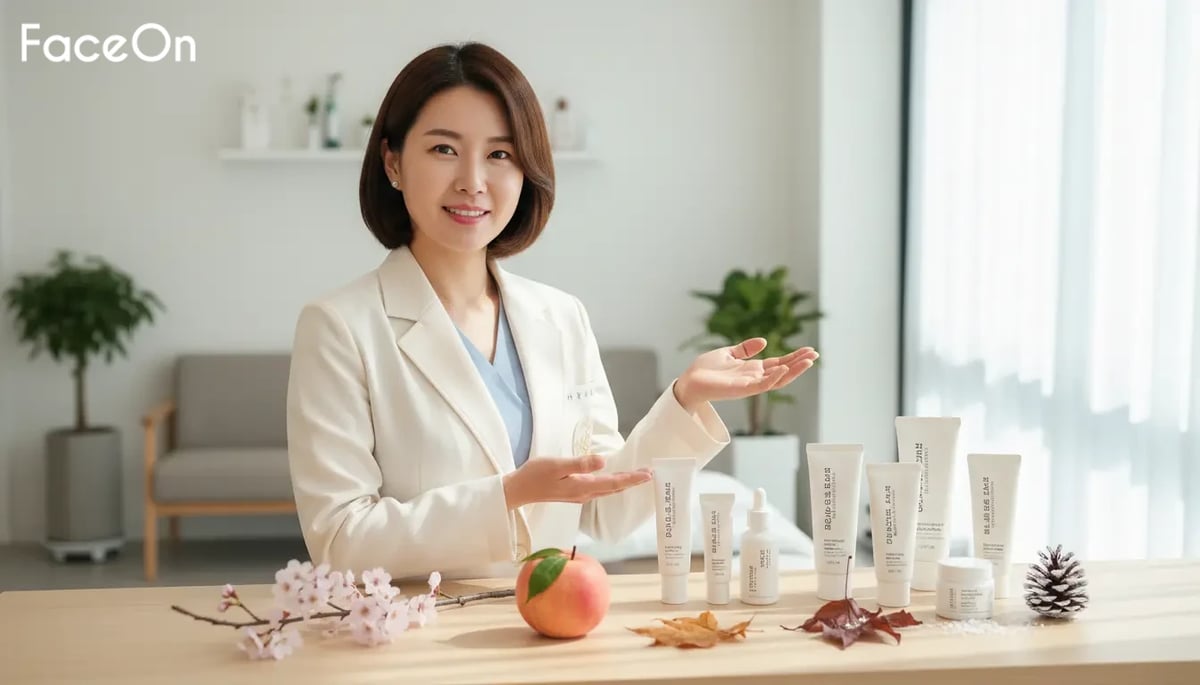
Most of us curate a go-to skincare routine, hoping our favorite products will magically adapt to every weather extreme. But what if that fixed approach is actually holding your skin back?
Korean dermatologists, revered masters of complexion health, understand a fundamental truth: your skin's needs are as dynamic as the seasons themselves.
From the humid embrace of summer to the harsh bite of winter, each shift in climate demands a unique response. This guide distills the core principles these experts use, revealing how to flex your cleansers, hydrators, and treatments to maintain a balanced, healthy complexion year-round.
Forget rigid regimens; prepare to cultivate a flexible, intuitive approach to skincare that works with nature, not against it. Discover products to build your own adaptive routine at Face On Korea.
Your skin constantly adapts to the environment, making seasonal skincare a necessity, not a luxury. Effective skincare is not static; it is an adaptive practice that responds to the distinct environmental challenges of each season. Korean dermatologists routinely adjust regimens, acknowledging that skin needs change dramatically with shifts in temperature and humidity (Interviews with Korean dermatologists).
For summer, prioritize lightweight hydration, oil control, and broad-spectrum UV protection with products like Missha All-Around Safe Block. Winter skincare, conversely, demands deep, layered hydration and strengthening the skin's moisture barrier with ingredients such as ceramides, found in rich creams like Dr. Jart+ Ceramidin Cream.
Spring and autumn are crucial transitional periods for repairing previous season damage and preparing for the next. The K-beauty philosophy, built on adapting to nature's cycles (K-beauty philosophy is built around adapting to nature's cycles), even recognizes five seasons for targeted care. Sunscreen, as the #1 defense against aging (Research Data), remains the most critical anti-aging step year-round. Integrating professional treatments, like Thermage or skin booster injections, further optimizes results. Adaptive skincare is the cornerstone of lasting skin health.
The Core Philosophy: Why Your Skin Needs a Seasonal Strategy
Your skin is a remarkably dynamic organ, constantly interacting with and responding to its environment. Treating your skin with the same routine year-round ignores its changing relationship with the environment, leading to seasonal problems that could be prevented. The very air we breathe and the temperature around us directly impact its health and appearance.

Consider the stark contrast between summer and winter. Hot, humid weather signals your skin to increase sebum production, often leading to clogged pores, unwanted shine, and breakouts. Conversely, the cold, dry air of winter, exacerbated by indoor heating, aggressively strips the skin of its natural moisture. This compromises the vital skin barrier, resulting in irritation, dryness, and heightened sensitivity. Dr. Cho Yun Joo, a Seoul-based dermatologist, explains that "dry skin can paradoxically overproduce oil to compensate, highlighting the critical need for appropriate hydration, even for those with oily types."
Korean skincare philosophy inherently emphasizes prevention and maintaining harmony with nature's rhythms, rather than a rigid, one-size-fits-all approach. This perspective champions the idea of a 'skin balance' that must be delicately managed through seasonal transitions. The goal isn't just to react to problems, but to strategically adjust product textures, ingredients, and application methods before issues arise. This concept of 'listening to your skin' is a cornerstone of K-beauty, allowing for immediate modifications based on daily environmental factors, stress, and even sleep patterns (Research Data). The increasing popularity of product 'wardrobes' in Korea further illustrates this practical commitment to rotating products based on the distinct needs of spring, summer, fall, and winter.
Note: Maintaining 'skin balance' means proactively adjusting your regimen based on external cues to prevent common seasonal issues like excess oil or barrier damage.
Ultimately, understanding these seasonal shifts allows for a proactive rather than reactive approach, fostering long-term skin health and resilience. Proactive adaptation is key to maintaining year-round skin vitality.
Spring Renewal: Detoxifying and Defending Against Allergies
As the harsh grip of winter recedes, your skin often carries the baggage of cold, dry air and indoor heating—think dullness, flakiness, and perhaps some lingering irritation. Spring skincare is about shedding winter's dullness and building resilience against environmental allergens through gentle renewal and targeted soothing. This transitional season demands a thoughtful shift in your routine to repair past damage and fortify your skin for the warmer months ahead.
The primary goal for spring is to gently "detoxify" your skin from the winter buildup. This involves carefully removing dead skin cells that can contribute to a lack of radiance and prevent product absorption.
- Embrace Gentle Exfoliation: Unlike winter, when skin is more vulnerable, spring allows for mild exfoliation. Aim for once a week using a chemical exfoliant with ingredients like BHAs or PHAs, rather than abrasive physical scrubs. Products like COSRX BHA Blackhead Power Liquid are excellent for this, helping to clear pores and refine skin texture without stripping essential moisture. You can find a variety of gentle exfoliants tailored for spring on Face On Korea. Korean beauty practices also utilize natural ingredients like rice water to gently reduce hyperpigmentation from winter damage.
- Switch to Lighter Hydration: Bid farewell to heavy winter creams. Spring calls for lighter, gel-based moisturizers and hydrating essences. These provide ample moisture without feeling occlusive or contributing to clogged pores as humidity rises. Look for fast-absorbing textures that still deliver deep hydration.
- Incorporate Calming & Anti-Inflammatory Ingredients: Spring often brings seasonal allergies, which can manifest as redness, itching, and increased sensitivity on the skin. This is where soothing ingredients become your allies.
- Centella Asiatica (Cica): Vital for calming irritated skin during allergy season and promoting healing (Research Data).
- Green Tea: Packed with antioxidants and anti-inflammatory properties.
- Aloe Vera: Provides instant hydration and a cooling sensation.
These ingredients help to manage skin's reactions to pollen and other airborne irritants, making them essential for a comfortable spring.
- Layer Hydrating Toners: To reintroduce moisture without the weight of thick creams, embrace the '7-skin method' or simply layer hydrating toners. This technique involves applying multiple thin layers of a hydrating toner, allowing each to absorb before the next, infusing the skin with beneficial ingredients.
Note: Building a stronger skin barrier with ingredients like ceramides and panthenol is crucial to enhance your skin's natural defense against spring allergens and environmental stressors.
By focusing on these strategic adjustments, you prepare your skin not just for the immediate season, but also lay a strong foundation for summer. Gentle adaptation is your spring skin's best defense and renewal strategy.
Summer Protection: Mastering Lightweight Hydration and UV Defense
As temperatures rise and humidity envelops us, the challenge for skin becomes clear: how to stay hydrated, clear, and protected without feeling weighed down. Korean dermatology pivots to a strategy of maximum defense with minimal product density, acknowledging that heavy formulas can lead to congestion and breakouts in hot conditions. The goal is to fortify the skin against intense UV radiation while managing increased oil production and preventing moisture loss through sweat.
The foundation of summer skincare lies in embracing water-based products. These formulations provide essential hydration without the occlusive feel of richer creams. Look for lightweight gel moisturizers that absorb quickly, delivering a burst of moisture from ingredients like hyaluronic acid without leaving a sticky residue. Many Korean gel creams are specifically designed to feel refreshing upon application, a welcome relief on a humid day.
However, the most critical step in any summer regimen is unwavering sun protection. Dermatologists universally emphasize sunscreen as non-negotiable. Korean dermatologist Dr. Ban Jae Yong states that sunscreen is the "number one against aging," highlighting its paramount importance. Opt for a broad-spectrum SPF 30-50+ that protects against both UVA and UVB rays. Modern Korean sunscreens, such as Beauty of Joseon Relief Sun and Missha Sun Milk, are formulated to feel like lightweight moisturizers, defying the past reputation of greasy sunblocks. Reapplication is vital; aim to reapply every three hours during prolonged sun exposure, especially after sweating or swimming, to maintain effective protection.
To combat increased oiliness and the potential for breakouts, incorporating targeted ingredients is key. Traditional Korean skincare frequently utilizes cooling and oil-controlling components.
- Mugwort: Known for its detoxifying and calming properties, it helps soothe troubled skin.
- Green Tea: A powerful antioxidant that also helps regulate sebum production.
- Clay and Charcoal: Excellent for drawing out impurities and minimizing the appearance of pores without stripping the skin.
Keeping your skin fresh and clean starts with a gentle, water-based cleanser, ensuring pores remain clear without over-drying. For an added cooling sensation and to help reduce summer swelling and inflammation, consider a simple yet effective Korean technique: storing your toners, essences, and even sheet masks in the refrigerator. This instantly depuffs and calms irritated skin upon application. The use of cooling massage rollers, often kept chilled, is also a common practice for a refreshing facial massage (Korean dermatology, 2023).
The key to summer skincare is maximum protection with minimum weight, focusing on oil control and potent UV filters in comfortable, breathable formulas. Embracing a lightweight, high-SPF routine ensures your skin remains protected, hydrated, and clear, even in the most demanding summer conditions.
Autumn Transition: Repairing Damage and Building Moisture
As the vibrant intensity of summer mellows into the crisp embrace of autumn, our skincare routine must similarly transition. This period is a crucial strategic opportunity to address the lingering effects of summer sun exposure and proactively fortify the skin's moisture barrier in preparation for the colder, drier months ahead. Autumn is not merely a pause; it’s a dedicated repair and preparation phase, ensuring your skin enters winter resilient and well-nourished.
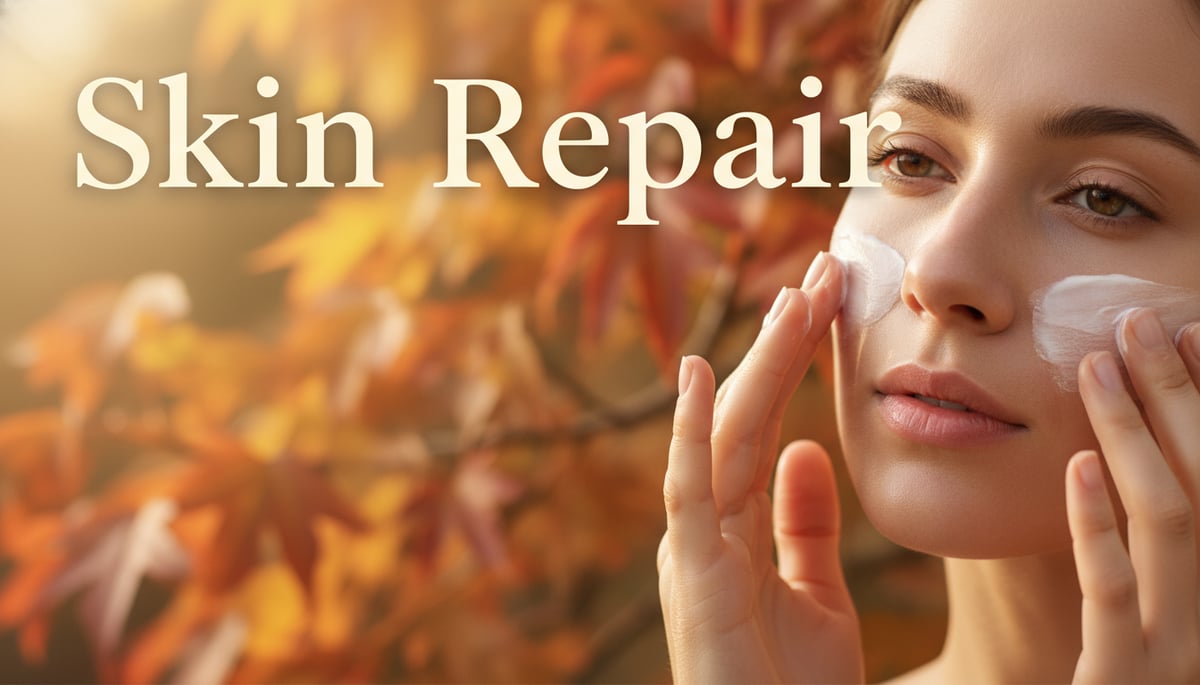
The primary focus post-summer is reversing UV damage. Incorporating ingredients like Vitamin C and Niacinamide becomes paramount. Vitamin C is a powerful antioxidant that not only brightens the complexion but also works to fade sunspots and hyperpigmentation, boosting collagen production (ResearchGate, 2022). Niacinamide (Vitamin B3) complements this by improving skin tone, reducing inflammation, and strengthening the skin barrier. Products like the Beauty Of Joseon Glow Serum, which features Propolis and Niacinamide, are excellent choices for targeting barrier repair and evening out skin tone during this transition.
As the air gradually loses its humidity, the skin's need for deeper moisture increases. This is the ideal time to gradually reintroduce richer textures without overwhelming the skin. Start by layering hydrating serums and toners to build a robust moisture foundation. The renowned '7-skin method,' which involves applying multiple thin layers of hydrating toner, can be particularly beneficial now, allowing deep penetration without heaviness. Following this, transition to a more substantial moisturizer than your summer gel, perhaps a lightweight cream or a hydrating lotion, to lock in moisture as the environment becomes drier.
Strengthening the skin barrier is non-negotiable in autumn. The skin's barrier acts as its shield, protecting against environmental aggressors and preventing transepidermal water loss. Look for ingredients like ceramides, essential lipids that hold skin cells together, panthenol (Vitamin B5) for soothing and repairing, and propolis, known for its healing and protective qualities. These ingredients help mend any micro-damage from summer and build resilience for the colder weather.
Beyond topical applications, the Korean skincare philosophy often integrates internal nourishment. Seasonal foods like sweet potatoes and pomegranates, rich in antioxidants and vitamins, contribute to overall skin health from within (Korean traditional medicine, 2020). Autumn is a strategic recovery period; the focus shifts to repairing summer's UV impact and proactively building a moisture foundation for the harsh winter ahead.
Winter Fortification: The Art of Layering and Barrier Repair
Winter presents the most formidable challenge to skin health: biting cold, harsh winds, and the relentless dryness of indoor heating conspire to strip the skin of its natural moisture. In this demanding season, the Korean methodology of deep hydration and barrier protection isn't just beneficial; it's essential for survival. This approach emphasizes building an impenetrable moisture shield through strategic layering and the consistent use of reparative ingredients.
The cornerstone of winter skincare is mastering the art of layering. This technique involves applying products in a specific order, from the thinnest consistency to the thickest, to maximize absorption and efficacy. This multi-step process allows each product to deliver its benefits before being sealed in by the next layer.
Here’s a typical layering sequence:
- Toner: Balances pH and preps the skin for subsequent steps.
- Essence: A lightweight, concentrated treatment that adds hydration.
- Serum: Targets specific concerns like dryness, dullness, or fine lines.
- Moisturizer: A rich cream that provides substantial hydration and forms a protective layer.
- Facial Oil: An occlusive layer that seals in all previous products and prevents moisture loss.
Ceramides are indispensable for repairing and maintaining the skin's protective barrier during winter. These lipid molecules are naturally found in the skin and act as the "mortar" between skin cells, preventing moisture evaporation and protecting against environmental irritants. When the ceramide barrier is compromised, skin becomes dry, flaky, and sensitive. Skincare YouTuber Hyram recommends the Haruharu Wonder Black Rice 5 Ceramide Barrier Moisturizing Cream as a strong option for intensive winter hydration, highlighting the importance of ceramides in preventing dryness and dehydration (YouTube, 2021).
To combat the harshest effects of cold, employ rich, occlusive moisturizers. These heavier creams create a physical barrier on the skin's surface, locking in moisture and shielding it from external elements. Overnight sleeping masks are also invaluable; applied as the final step in an evening routine, they work intensely while you sleep, allowing the skin to repair and rejuvenate in a deeply hydrated environment. Dr. Choi Bo Youn, a prominent Korean dermatologist, continuously anoints her skin with cream until bed, ensuring it stays moisturized all night, underscoring the importance of persistent hydration.
Incorporating nourishing, traditional Korean ingredients can further fortify the skin. Ginseng, a treasured ingredient in Korean skincare, is known for its ability to help prevent UV-induced pigmentation and retain moisture, making it excellent for winter skin health. Fermented extracts, another deeply rooted Korean tradition, enhance product efficacy and absorption. The fermentation process breaks down molecules into smaller, more easily absorbed components, allowing nutrients to penetrate deeper into the parched winter skin (Korean Journal of Dermatology, 2023).
Note: The "Five-stage Pillar Process Infographic" illustrates this layering method, emphasizing the sequential application for optimal barrier protection.
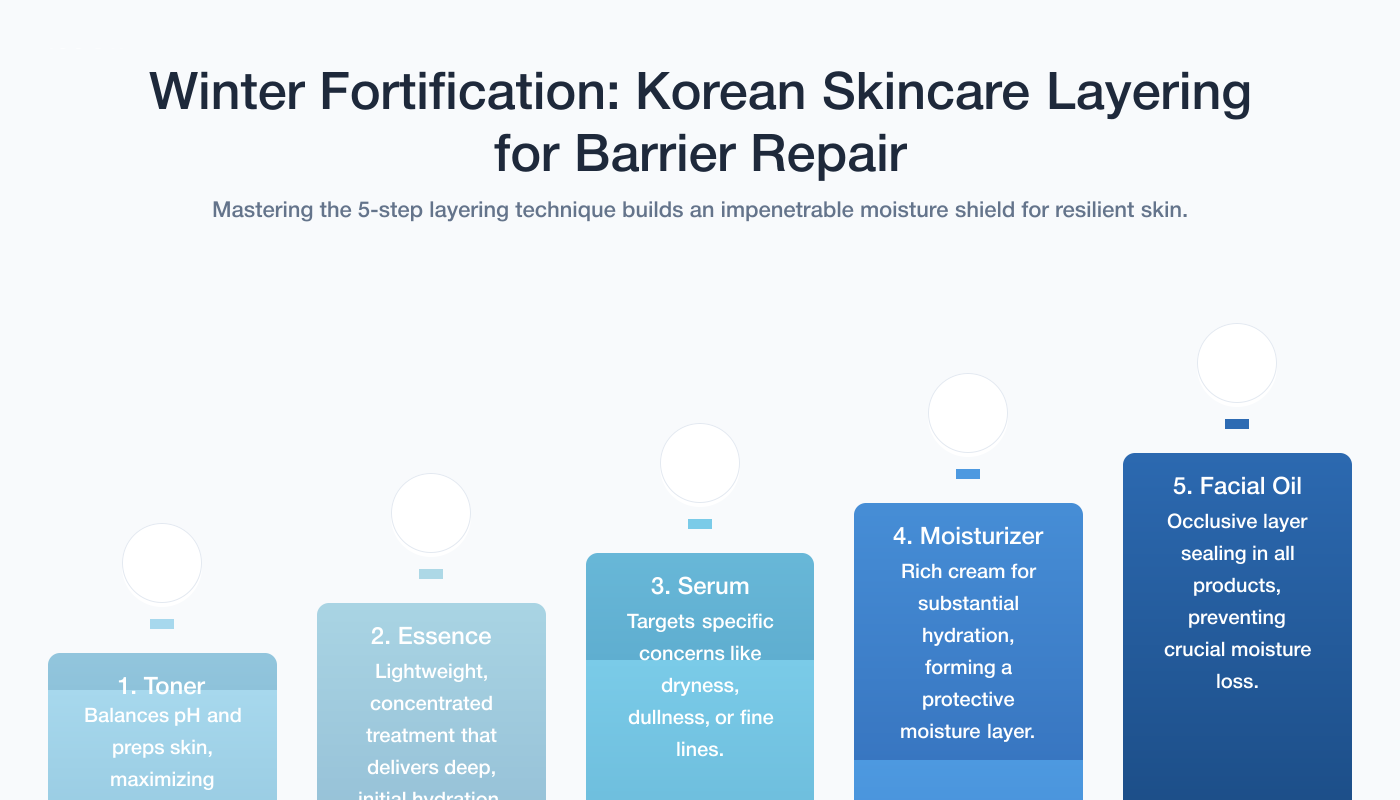
In winter, survival depends on creating an impenetrable moisture barrier through strategic layering and the consistent use of reparative ingredients like ceramides.
This guide has illustrated that achieving optimal skin health, as practiced by Korean dermatologists, is less about a fixed regimen and more about intelligent seasonal adaptation. By understanding how environmental shifts impact your skin, you can proactively adjust your approach, ensuring your complexion remains balanced and resilient year-round.
Here are the key principles to carry forward:
- Embrace Flexibility: Your skin's needs are dynamic. Regularly assess its condition and adjust your cleansers, hydrators, and treatments in response to changing temperatures, humidity, and lifestyle factors, rather than adhering rigidly to a single routine.
- Prioritize Barrier Health and Targeted Hydration: A strong skin barrier is foundational. Whether layering emollients in winter or opting for lightweight serums in summer, consistently support your barrier function and provide hydration levels appropriate to the season.
- Maintain Non-Negotiable UV Protection: Regardless of the weather or time of year, broad-spectrum sunscreen remains the single most crucial step in preventing premature aging and protecting skin health. Make it an unwavering part of your daily ritual.
Ultimately, cultivating a healthy, responsive complexion stems from a thoughtful, consistent approach rather than chasing complex, rigid steps. Begin by mindfully observing your skin's unique responses to the environment and making incremental, informed adjustments to your current routine, drawing upon the principles of seasonal care outlined here.
Tags
Related Articles
Why Korean Clinics Are Setting the Gold Standard in Skin Rejuvenation
The Rise of K-Dermatology: Why South Korea is the Global Capital for Skin Health Tourism