
How to Choose a Trusted Plastic Surgeon in South Korea: A Complete Guide
Read about How to Choose a Trusted Plastic Surgeon in South Korea: A Complete Guide on faceon
South Korea's reputation as a global hub for plastic surgery is undeniable, often hailed for its pioneering techniques and exceptional results. Yet, beneath the gleaming facade of state-of-the-art clinics and captivating before-and-after photos lies a complex landscape. For every world-class surgeon, there are countless others whose practices fall short, making the sheer volume of choices in cities like Seoul overwhelming, even perilous.
Your appearance is not a gamble; it's an investment in yourself. The decision of who performs your surgery is paramount, directly determining whether you achieve transformative, satisfying results or face a devastating outcome that impacts your life for years to come.
This guide transcends the superficial gloss of marketing campaigns. We cut through the hype to equip you with the essential tools for genuine vetting. Learn to leverage official accreditations, discern authentic patient testimonials, and identify critical red flags long before they jeopardize your safety or satisfaction.
Forget guesswork. This is your definitive, no-nonsense blueprint for selecting a trusted plastic surgeon in Korea. Your face, your finances, your peace of mind
let's ensure they're protected. Making an informed choice is your strongest defense against regret.
Briefing: Your Guide to Safe Surgery in Korea
South Korea remains a premier destination for cosmetic procedures, attracting patients from nearly 100 countries to renowned facilities like JK Plastic Surgery Center. However, a significant number of these hopeful individuals make a critical error: they base their decisions solely on attractive advertisements. This oversight can lead to severe consequences. Success hinges on a robust, strategic vetting process that penetrates superficial marketing.
To truly navigate this competitive landscape, prioritize verifiable credentials over glossy brochures. Begin by seeking government-backed accreditations, such as the rigorous KAHF accreditation. This certification is a formidable safeguard, evaluating clinics against 149 stringent criteria specifically designed for foreign patient care and safety. Beyond clinic accreditation, meticulous verification of the surgeon's specialized expertise is crucial. Seek out practitioners renowned for specific procedures, like Dr. Minhee Ryu for advanced deep plane facelifts, ensuring their technique is refined and focused, not generalized.
Finally, remain vigilant for pervasive red flags. These warning signs range from high-pressure sales tactics and last-minute Non-Disclosure Agreements (NDAs) to package providers marred by consistent negative reviews
platforms like Reddit are replete with such cautionary narratives. Recognizing these signals is paramount to avoiding dangerous and regrettable situations. Your proactive vetting strategy is the singular path to a safe and successful surgical experience in Korea.
The Korean Standard: Why Patients Choose South Korea
Considering cosmetic enhancement often leads directly to South Korea, a nation where aesthetic procedures are not just accepted, but a profound cultural phenomenon. This intense societal integration fuels a commitment to advanced surgical techniques and an unparalleled degree of surgeon specialization. Imagine practitioners dedicating their entire careers to mastering a single procedure, like eyelid surgery, achieving a level of focused expertise rarely seen elsewhere.
The Korean government actively champions medical tourism, investing significantly in infrastructure and establishing rigorous certification processes for clinics catering to international patients, such as AB Plastic Surgery. This systemic support ensures state-of-the-art facilities equipped with cutting-edge technology. Many top-tier clinics, including Opera Plastic Surgery, even boast on-site anesthesiologists and provide round-the-clock post-operative care, offering a seemingly comprehensive safety net.
This environment has created a veritable "gold rush," with Korea consistently ranking as a top destination for medical travel according to sources like Similarweb (2024). While this fierce competition undoubtedly drives innovation and raises standards, it also generates an overwhelming volume of marketing hype. Distinguishing genuine excellence from mere smoke and mirrors becomes paramount; a government certificate, while crucial, does not inherently guarantee a skilled surgeon or a realistic outcome. The pervasive nature of cosmetic surgery is so deeply ingrained that it even extends to programs aiding North Korean defectors with reconstructive procedures, as reported by NPR. Given this complex landscape, thoroughly vetting every potential clinic and surgeon is not merely recommended, but absolutely essential.
Decoding Credentials: Your First Layer of Protection
The allure of flawless before-and-after photos scrolling endlessly on social media is a seductive trap. These images often deceive; filters are ubiquitous and readily mask reality. To genuinely protect yourself from ending up in a nightmare scenario, your focus must shift from visual appeal to verifiable credentials: official, government-backed certification, not merely sophisticated marketing narratives.

Your surgeon's qualifications are paramount. Insist that your surgeon is board-certified. This isn't a mere suggestion; it's a fundamental requirement. Board certification signifies years of rigorous training, exhaustive examinations, and a demonstrated mastery of their craft. In contrast, many questionable operations employ "doctors" whose qualifications stem from little more than weekend seminars. Always prioritize board certification.
Equally critical is the accreditation of the clinic itself, particularly for international patients. You require genuine government accreditation, not a self-proclaimed badge on a website. Operating in a foreign country inherently places you in a vulnerable position where standard consumer protections may not apply. Therefore, choosing a facility that has undergone thorough governmental vetting is non-negotiable.
These accreditations are not easily obtained; they demand exhaustive scrutiny of every facet of a clinic's operation. This includes meticulous examination of patient safety protocols to ensure they are not just stated, but rigorously implemented. Staff qualifications are assessed, verifying nurses' emergency response capabilities, not just their presence. Facility management is scrutinized for cleanliness, equipment maintenance, and overall operational integrity. While challenging for clinics to achieve, these stringent standards directly safeguard your well-being.
The Korean Accreditation program for Hospitals serving Foreign patients, or KAHF, stands as the gold standard. This designation signifies that the Korean government has meticulously verified a clinic's legitimacy and adherence to strict international patient care standards. Consequently, KAHF accreditation should be your primary, if not sole, initial filter when considering potential facilities.
Consider AB Plastic Surgery, which actively promoted its government certification. This wasn't a casual announcement; it reflected their arduous journey through 44 specific criteria for international patient care, coupled with an additional 92 for general safety. Such an accomplishment underscores a serious, verifiable commitment to quality.
Similarly, JK Plastic Surgery's consistent KAHF designation since 2017 is a testament to unwavering excellence. This sustained accreditation demonstrates an ongoing commitment to exceeding, not just meeting, industry benchmarks. This type of consistent, verifiable proof offers far greater assurance than any influencer review. Ultimately, prioritizing facilities with verifiable, government-backed accreditation, such as KAHF, is the only rational starting point for securing safe and trustworthy medical care; all other considerations are dangerous distractions.
The Specialist vs. The Generalist: Matching the Surgeon to the Surgery
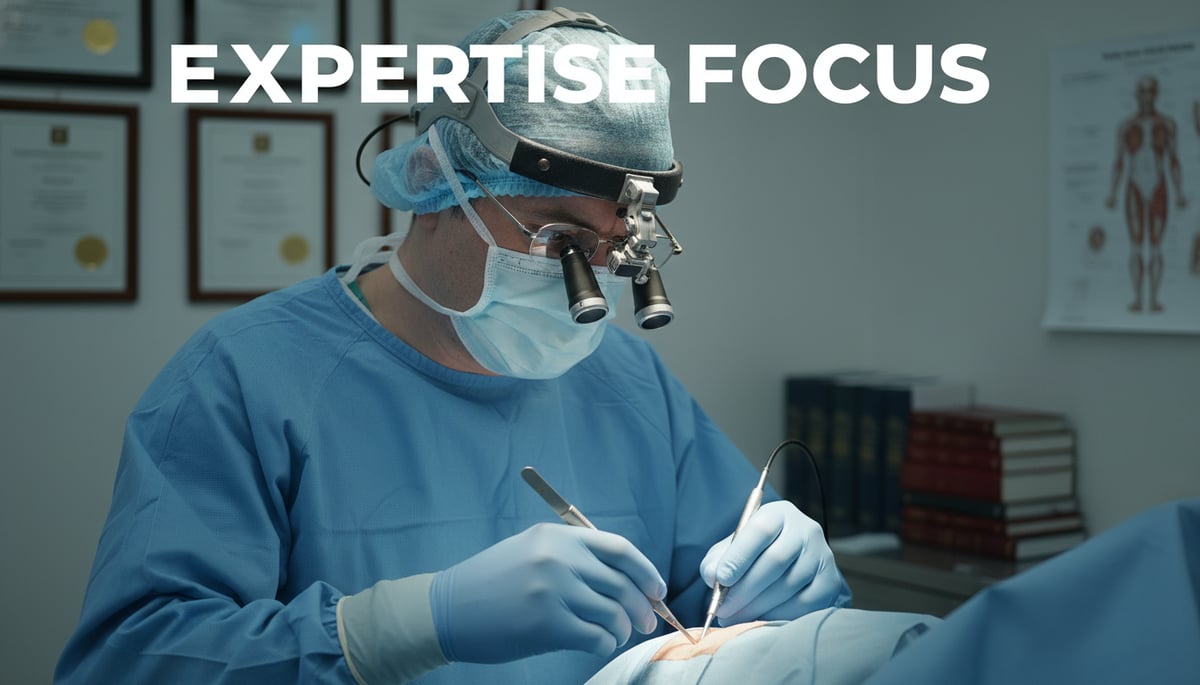
When contemplating significant surgical enhancement, merely searching for "top doctors" online presents a deceptive landscape. The vast majority are generalists, performing a wide array of procedures. While competence across various fields is admirable, it is insufficient for intricate facial or body transformations. These demand the focused mastery of a true specialist
a surgeon who dedicates their practice almost exclusively to the specific procedure you seek.
Exceptional surgical outcomes stem from profound focus, not broad distribution of skill. You need a surgeon who lives and breathes your desired procedure, not merely dabbles in it. Consider Dr. Minhee Ryu, renowned not just for performing deep plane facelifts, but for pioneering and teaching advanced techniques globally. This level of specialization is what truly distinguishes a master from a general practitioner.
Experience, measured in both years and sheer procedural volume, is invaluable. Anyone can wield a scalpel, but consistent perfection across thousands of cases is the hallmark of true expertise. Dr. Jooyoun Kim, for instance, has performed over six thousand rhinoplasties
a testament to a lifetime's dedication, not a casual pursuit. Such extensive mileage under a surgeon's belt offers unparalleled assurance.
Beyond curated before-and-after galleries (which are often selectively presented), delve into a surgeon's academic and professional standing. Are they clinical professors, shaping the next generation of surgeons? Do they hold memberships in prestigious organizations like KSPRS or ISAPS? These affiliations are not vanity badges; they represent communities where leading professionals establish standards and advance the field. It is within these circles that you truly discover the best of the best.
A generalist might claim proficiency in a deep plane facelift, but they are unlikely to possess Dr. Ryu's distinctive signature move, or Dr. Im Young Min
s unique finesse for revision rhinoplasty. This is akin to opting for an off-the-rack suit when a bespoke creation by a master tailor is available. That specialized touch transforms an "okay" result into an extraordinary one.
For anti-aging or body contouring, seek surgeons like Dr. Jung Young Choon, with 41 years of specialized experience, or Dr. Kwon Soon-hong, with over a thousand documented body and breast procedures. Dr. Ahn Seung-Hyeon, with two decades of experience and a PhD from Seoul National University, exemplifies the deep commitment required for specialized excellence.
Therefore, when selecting your surgeon, disregard the overwhelming noise and glossy advertisements. Seek out the specialist
the practitioner whose entire professional life revolves around mastering your specific procedure. This singular focus is the direct path to achieving the superior outcome you truly desire, rather than settling for mediocrity.
Clinic Direct vs. Agency Packages: Understanding the Risks

The journey to cosmetic surgery often involves navigating a deluge of options, including enticing offers from third-party agencies promising unparalleled convenience and seamless experiences. At first glance, signing up for a "package" might seem like the easiest path.
However, this perceived convenience is often a significant trap. Directly engaging with a clinic, such as VG Plastic Surgery or HERSHE, provides a transparent, unfiltered line of communication with the actual surgical team and support staff. This direct interaction ensures you receive authentic information and timely answers straight from the source
a fundamental necessity for such a personal and critical undertaking.
The appeal of "one-stop shop" package providers lies in their promise of effortless coordination. Yet, these entities are fundamentally middlemen, inserting themselves into the transaction to extract a commission. This intermediary layer inevitably introduces risks: miscommunication, undisclosed fees, and, most critically, a severe lack of accountability when complications arise. When things go wrong, these agencies frequently evade responsibility.
A chilling illustration of these risks emerged from a patient's ordeal in Mexico, widely documented on Reddit (search 'TopPlasticSurgeonsMexico Is Terrible!!!!'). After booking an all-inclusive package, the patient arrived to find a hotel far below promised standards, infested with cockroaches. The agency, TopPlasticSurgeonsMexico, failed to deliver crucial services, including adequate medication and transportation, and even allegedly stole money. Adding insult to injury, the provider blamed the destination country for their shortcomings and dismissed the patient's complaints due to the "small package cost."
Opting for an agency means relinquishing vital control over critical aspects of your procedure: surgeon selection, accommodation, and post-operative care. Their primary motivation is profit, not your well-being, often leading to placement with less qualified doctors or in substandard facilities. As the Reddit user's stark conclusion rightly warned: "Do yourself and your wallet a favor by avoiding... any other surgery package providers." For unparalleled control and transparency, always bypass intermediaries and engage directly with the clinics themselves; platforms like Face On Korea can help you connect directly with vetted clinics, ensuring your face, finances, and well-being are protected.
Critical Red Flags: Warning Signs You Can't Ignore

Unlike purchasing a consumer product, undergoing cosmetic surgery involves your body and future well-being. It is imperative to outsmart predatory practices within this often-unregulated industry. While you've likely invested considerable time imagining your desired outcome, certain clinics present risks that are simply unacceptable. Recognizing these prevalent warning signs is your critical first line of defense.
The Pressure Cooker Tactics
A significant red flag is aggressive salesmanship, often manifested through "limited-time special discounts" or offers valid "only if you book today." This high-pressure approach is designed to force impulsive decisions. Reputable clinics, confident in their expertise, do not resort to such coercive tactics. A persistent feeling of being rushed or strong-armed is your intuition signaling danger; always heed it.
Money Talks... or Doesn't
Ambiguity surrounding costs is another critical warning. Vague pricing, initial quotes that balloon with hidden fees, or itemized lists that omit crucial charges are indicators of potential deception. If a clinic cannot provide clear, comprehensive financial transparency upfront, it raises serious questions about what else they might be concealing. Demand a fully detailed, all-inclusive breakdown of expenses; if this is not provided, walk away without hesitation.
The NDA Mess
Perhaps the most egregious red flag is being presented with a Non-Disclosure Agreement (NDA) immediately before surgery, often while you are vulnerable, prepped, and fasted. This tactic, allegedly employed by practitioners like Dr. Edward Kwak (as widely discussed on Reddit), aims to silence patients, preventing them from sharing their experiences, good or bad, or even from pursuing legal recourse. Such NDAs are not only unethical but frequently illegal and unenforceable under New York and federal law, which protect your right to share honest opinions about medical providers. Any attempt to impose such a "gag order" is a glaring sign that the clinic has something significant to hide. When faced with such a coercive document, as one patient experienced when they walked out and only then was offered the "correct" NDA, your immediate response should be to refuse and leave.
The Perfect Review Trap
Be wary of clinics boasting universally perfect reviews. In reality, even the most skilled surgeons encounter minor complications or patients who are not entirely satisfied. A flawless online presence, devoid of any constructive criticism or varied feedback, strongly suggests review manipulation, internet scrubbing, or the use of paid shills. Even sophisticated data from sources like Similarweb (2024) cannot fully detect these artificial endorsements, highlighting the need for skepticism.
The Hidden History
A clinic's reluctance to connect you with former patients or to provide a comprehensive portfolio of diverse before-and-after photos
showing realistic outcomes, not just idealized, airbrushed images
is a significant concern. If they refuse to offer genuine insights into their actual work or the experiences of real individuals, they are likely concealing something. Your right is to gain full transparency and confidence; if they obstruct this, it's a clear signal to move on. Above all, never sign away your right to speak freely about your medical experience, as your voice is your most potent form of protection.
The Consultation: Your Final and Most Important Test
You've diligently researched, scrutinized countless images, and sifted through authentic reviews. However, the ultimate test
and arguably the most critical
occurs during the in-person consultation. This face-to-face meeting is your final, decisive opportunity to ascertain whether you are proceeding toward a desired outcome or a potential disaster, as missteps can occur with alarming ease.
The consultation transcends mere formality; it is your immersive exploration of the clinic's operational ethos. Assess the dynamic: do they engage with you, or lecture at you? Do they genuinely listen to your aspirations and anxieties? A failure to actively hear and acknowledge your concerns at this stage is a glaring, dangerous red flag, signaling a probable lack of attentiveness during and after the surgical process.
Preparation is paramount. Arrive with a detailed list of questions. Directly inquire: "What precise techniques will be employed for my procedure, and what is the rationale for choosing them over alternatives?" Do not permit them to dismiss your queries with opaque jargon; demand clear, concise explanations. Crucially, address the potential downsides: what are the specific risks unique to your profile? Generic disclaimers are insufficient. Your individual physiology and medical history necessitate tailored risk discussions. Furthermore, meticulously review the post-operative care plan, understanding that successful recovery is as vital as the surgery itself.
Beyond the surgeon, investigate the broader support system. Will a qualified anesthesiologist be on-site at all times? Clinics like Opera Plastic Surgery exemplify this standard, often providing 24-hour post-operative monitoring. What emergency protocols are in place, especially vital when recovering in a foreign environment? And critically, what language support is available? Facilities like AB Plastic Surgery, offering translators for English, Chinese, Japanese, and Thai, underscore the importance of clear communication in a vulnerable state.
Ultimately, despite all logical inquiry, your intuition serves as the final arbiter. If you detect any sense of being rushed, disregarded, or simply uncomfortable, listen to that internal warning. This instinct for self-preservation is rarely mistaken. Even if Dr. Haewon Yang or Dr. Jooyoun Kim (known for their meticulous follow-ups) makes a clinic sound perfect, your personal experience and the commitment to an individualized plan prioritizing your safety and a natural aesthetic
not a generic approach
are paramount. Similarweb (2024) data illustrates how critical patient trust is in these choices. If the comprehensive experience, including your gut feeling, does not align with your expectations, prioritize your well-being and confidently walk away.
The fact that you've dedicated your time to fully digest this guide is commendable. In an industry where many succumb to superficial impressions and hasty decisions, your commitment to informed choice sets you apart. Do not be "most folks."
Here are the undeniable truths from a perspective that has witnessed the full spectrum of outcomes
the triumphant, the regrettable, and the utterly catastrophic:
- Verify Credentials Rigorously: Do not merely glance at accreditations; scrutinize them. KAHF accreditation and Korean board certification are not empty designations; they are your foundational safeguards against unqualified practitioners. To bypass this step is to gamble with your most precious asset.
- Seek the Dedicated Specialist: Identify your desired procedure and find the surgeon whose primary focus lies precisely in that area. Avoid generalists who merely dabble. For a rhinoplasty, seek the rhinoplasty expert; for blepharoplasty, find the dedicated eye surgeon. This targeted approach is not merely preferable, it is essential for optimal results.
- Eliminate Intermediaries: While agencies might promise convenience, they frequently introduce unnecessary layers of complexity, miscommunication, and inflated costs. Always engage directly with the clinic. Secure unfiltered answers and maintain full autonomy over every aspect of your decision-making, from initial consultation through post-operative recovery.
This is your body, your investment, and fundamentally, your choice. Empower yourself to make a wise one.
What comes next? Transition from passive observation of social media feeds to active engagement with qualified surgeons. Many reputable clinics now offer virtual consultations, allowing you to establish preliminary connections and assess legitimacy from the comfort of your home, thereby streamlining your initial vetting process before committing to international travel. Your proactive and informed decision-making process is the ultimate determinant of a successful and safe surgical journey, and comprehensive resources from platforms like Face On Korea are designed to empower you.
Tags
Related Articles

How to Choose the Right Plastic Surgeon in Korea: A Guide for International Patients

How to Choose the Right Plastic Surgeon in Korea: An International Patient’s Guide