A Foreigner's Guide to Choosing a Safe Plastic Surgery Clinic in Korea
Read about A Foreigner's Guide to Choosing a Safe Plastic Surgery Clinic in Korea on faceon

Korea. Plastic surgery capital of the damn world. Seriously. One in four cosmetic ops globally? Happens right here. More than 114,000 foreigners jet in every single year.
Big numbers. Big choice. But that's where the mess begins. Seoul's streets? Packed with clinics. More than convenience stores, I swear. Some are top-notch. Others? Absolute crap. And some are actually dangerous. (Yeah, dangerous.)
You need a guide. A blunt one. Because nobody's gonna hand you the truth on a silver platter. And you can't just pick one at random. So, we're cutting through the noise. We're talking real credentials. Spotting the critical red flags. Like 'ghost surgery' – yeah, that’s a real thing. No fluff here. We're cutting through the noise to give you the raw, essential info you need to stay safe and get what you actually paid for.
Why South Korea is the Global Epicenter for Plastic Surgery
So, you're thinking about South Korea for a little work, huh? Smart move. Or, well, potentially smart. Because here's the crazy truth: they run the show. The entire world's plastic surgery mess? Yeah, nearly a quarter of it happens there. Right in South Korea. Nobody else even comes close. Not even Similarweb (2024) would tell you otherwise.
Look, this isn't just about a few good docs. It's a whole damn industry. They've got more specialists, more clinics crammed into one place than anywhere else on the planet. And they're not just doing basic stuff. These people pioneer it. They invent the next big thing. So, you get the latest, most specialized surgeons doing these wild, innovative procedures. And the cost? Oh, the cost. You're talking 40-75% less than what you’d pay in the States or Europe. A huge chunk of change. Straits Research confirms it too; over 1.2 million procedures every single year. That's not a trend, buddy. That’s a factory.
And the government? They’re all in. Pushing medical tourism like it's a national sport. K-Medical Visas. The Korea Health Industry Development Institute (KHIDI)—they throw money and support at it. Because they want you there. They want those 114,000 foreign patients (and their cash) every year. Think of Gangnam's 'Beauty Belt,' hundreds of clinics, all fighting for your business. It’s a gold rush.
But here’s the kicker: with that much action, that many clinics, you better believe it’s a dog-eat-dog world. Unparalleled expertise, sure. Insane value, definitely. But you mess up your homework? You're playing with fire.
The Non-Negotiable Checklist: Verifying Surgeon and Clinic Credentials

Alright, listen up. You’re putting your face, your body, in someone's hands. This isn't choosing a new phone. You get this wrong, it’s not just a bad review. So, the first thing, the only thing, you need to care about? Credentials. Everything else is just noise.
Your Surgeon's Paperwork
You must verify your surgeon. Absolutely. No exceptions. They need to be a board-certified specialist. Not just some general doc who decided to pick up a scalpel last Tuesday. And I mean specialist in plastic and reconstructive surgery. In Korea, that means KSPRS. The Korean Society of Plastic and Reconstructive Surgeons. If they're not on that list, or recognized by an international body like ISAPS (International Society of Aesthetic Plastic Surgery), you walk away. Instantly. Because anyone can hang a shingle. But only the real ones have that certification. And that's your non-negotiable proof. It tells you they went through the brutal training. They passed the insane exams. It's their license to operate (safely, hopefully).
The Clinic's License to Operate
Then there’s the clinic itself. People forget this. But a superstar surgeon in a shady back alley? No thanks. So, you need to check the clinic’s license. And I mean a proper license from Korea’s Ministry of Health and Welfare (MOHW). If they don't have that, it's illegal. Period. You wouldn't go to an unlicensed restaurant (I hope), so don't even think about an unlicensed clinic.
- KHIDI Registration. This one's important for you, the foreigner. The Korea Health Industry Development Institute (KHIDI). They're the government body making sure clinics are actually set up for international patients. It means translation services. It means understanding you're not local. It's a good sign the government has its eye on them.
- JCI Accreditation. This is the big kahuna. The Joint Commission International. It’s a global gold standard. Hard to get. Expensive to keep. But if a clinic has JCI accreditation? It tells you they’re not just good, they're world-class. Top-tier quality. Patient safety isn't just a slogan there. It's built into everything they do.
Look, these aren't suggestions. This isn't optional homework. These certifications are your baseline. Your foundation. Without them, you're rolling the dice with your face, your life. You don't want to play that game. Ever.
The Red Flag Manual: How to Avoid 'Ghost Surgery' and Other Pitfalls
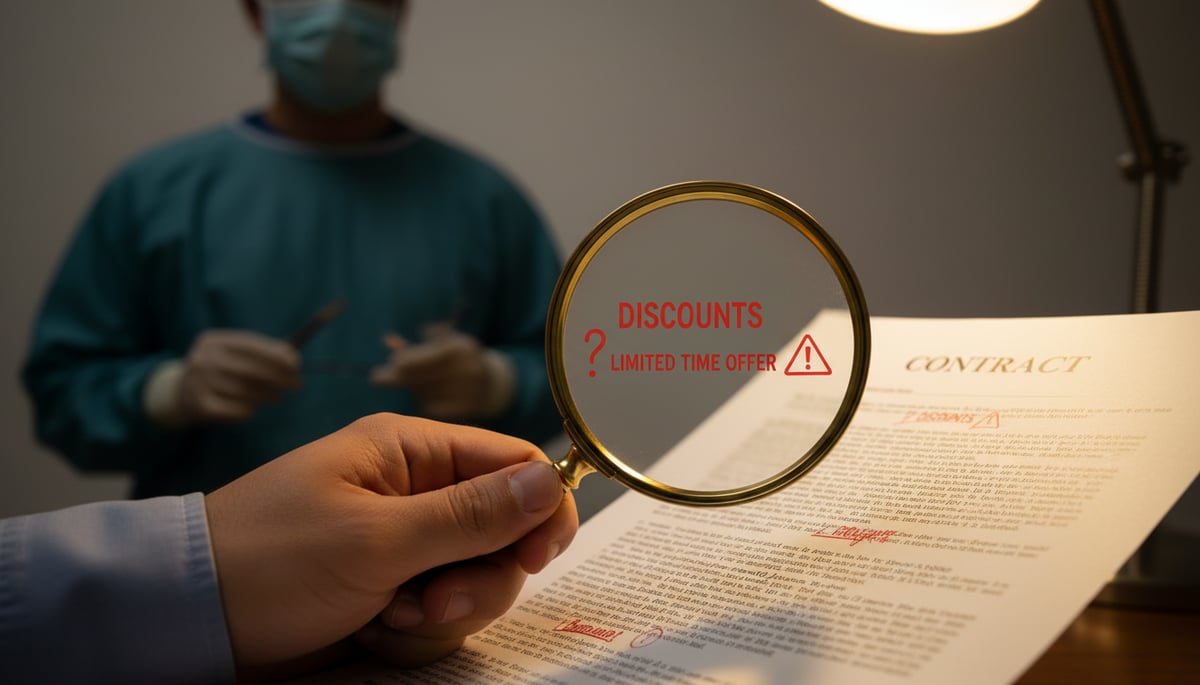
Alright, here's where it gets ugly. Really ugly. Because even in the best place, with the best surgeons, there are sharks. And the biggest, most terrifying one is called ghost surgery. You sign up with Dr. Superstar, you go under, and then some other, cheaper, often less-qualified guy (or girl) steps in and does the actual cutting. Because they can. And you're out cold. It's a dirty trick. And it's dangerous. A major breach of trust.
So, how do you fix this? Easy. You gotta meet the operating surgeon. The actual person who will be holding the scalpel. Face-to-face. Right before the procedure. Not just the initial consultant. The surgeon. And yes, you ask. You demand. You get written confirmation. Because if they balk, if they make excuses, you walk. That's your first, biggest red flag. Don't let them push you around. Korean law even forces clinics to have cameras in ORs now, precisely because this crap was happening too much. People talking about it on Reddit? They’re not lying.
But there are other warnings too. Smaller flags, but still nasty.
- Crazy Discounts. Think about it. Why is this clinic offering 70% off? Good surgeons, established clinics, they don't need to slash prices like that. And if something looks too good to be true? It probably is. That suspiciously low price usually hides a ton of extra fees. Or worse.
- Pressure Tactics. "Book now! This deal ends tomorrow!" No. A reputable clinic doesn't need to strong-arm you. They sell quality, not desperation. Take your time. Think about it. If they rush you, it's a bad sign. Because they don't want you thinking too much.
- Vague Pricing. You ask for a price, and they give you a range? Or they keep adding things on? "Oh, that didn't include the anesthesia. Or the post-op care. Or the special bandages." No. Get a clear, all-inclusive quote. Every single thing, laid out. Because if they're not upfront with money, what else are they hiding?
Your face, your body, your money. You are the only one looking out for you. So be vigilant. Be a pain in their ass. Because your safety? It’s absolutely non-negotiable.
Assessing Quality: Communication, Results, and Aftercare
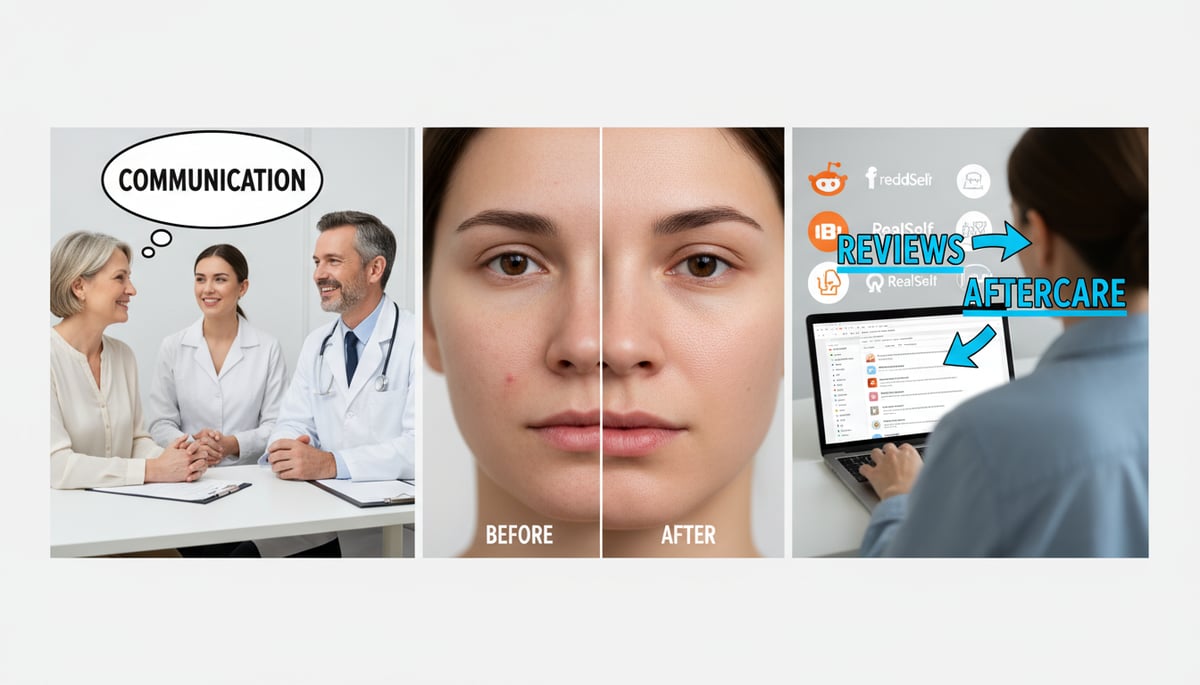
Look, picking a clinic isn't just about glossy ads. It never was. You gotta dig. Because a great surgeon? That's just one piece. The rest of the outfit, the clinic, that's what makes or breaks your whole damn experience. And most folks, they totally forget that. It’s a mess, frankly.
First up, talk to them. Really talk. Not just with a bot or some auto-reply email. Can they communicate? Fluently? And I mean fluent. Or do they have a real, live interpreter on standby for every single stage? Not just for the consultation. But later. Because you’ll have questions. Trust me, you will. And if you’re trying to explain a weird pain in broken English, you’re screwed. It’s that simple.
Then there’s the whole "results" thing. But don't just stare at the fancy brochure. Or the perfectly lit, airbrushed stuff on their Instagram. That’s marketing, not reality. Ask for unedited before-and-after photos. From their actual patients. And don't just take their word for it. No. You go look at Google reviews. And RealSelf. And Reddit. Especially Reddit. Because those are the places where people actually vent. Or praise. You get the raw truth there. But filter out the crazy, you know?
Here's the thing, most clinics downplay recovery. Big time. Because they want your business. So you plan for a month of discomfort. At least. And some real emotional lows. One Reddit thread, I remember, a patient talked about a full-on identity crisis for the first 3-4 months post-op. So, if you're not getting good emotional and medical support, well, that's just dangerous. And aftercare? Crucial. Do they actually have a plan? A detailed one? Or are they just waving you goodbye once the stitches are out? Ask about follow-up appointments. And remote consultations once you're back home. Because things can pop up. They always do. So, what’s their policy for revisions? Or for complications? If they hem and haw, that’s a red flag. A big one.
Some of the top clinics, they get this. So they build it all into their packages. Consultations. Surgery. Even transfers. And follow-ups. All covered. That’s smart. And I've seen some amazing examples. Like Dr. Joo's aftercare team, according to reviews, they're constantly available on WhatsApp. That's the kind of support you need. That's the bar. So, don't just look for a surgeon; find a clinic that actually cares once they’ve got your money.
Planning Your Trip: Costs, Logistics, and Recovery
Right, so you're thinking about flying halfway across the world for this. And because it's Korea, it's probably gonna be cheaper. But cheaper isn't free. And you better plan for all of it. Because a cheap surgery with a screwed-up recovery isn't cheap at all.
First, money. Get it straight. Does the clinic give you an all-inclusive price? A real one? Or are there a bunch of hidden fees waiting to jump out later? Because reputable places, they give you the total. Procedure. Anesthesia. Facility fees. Basic follow-ups. All of it. So you know what you’re getting into. And yeah, even with flights, hotels, and everything else, you can save a ton. I saw a cost breakdown once; someone saved over $5,000 on rhinoplasty, even after all the travel. That’s real money.
But you can't just fly in, get cut, and fly out the next day. No. Most surgeons? They tell you to stick around for at least 7-14 days post-op. For initial recovery. For those first follow-up appointments. And you need to. Because you'll be swollen. And bruised. And probably feeling pretty rough. So don’t cut that short. It's not a vacation. And most Westerners, they get a 90-day visa-free entry. Plenty of time.
Accommodation. Pick a place near your clinic. But make it comfortable. And make sure it has an elevator. Trust me on that one. Because climbing stairs after surgery? Not fun. And think about the weather. Spring or fall. Much more pleasant for recovery. And you want that. So you can focus on healing.
Insurance. This is a big one. And it’s where most people mess up. Because your regular travel insurance? It won't touch elective cosmetic surgery with a ten-foot pole. It just won’t. So if something goes sideways, you’re on your own. Big problem. So you need to look into specialized medical tourism insurance. It’s a thing. And it can actually protect you against complications. Seriously. Don't skimp on the plan, or you'll pay for it later, one way or another.
Simplify Your Journey with the FaceOn App
Look, I just laid out how much of a mess this whole process can be. Finding a decent clinic? Vetting them? It’s a full-time job. And it’s stressful. Especially when you’re dealing with another country, another language. But because you need a way to cut through all that noise, there’s an app. A real one.
So, the FaceOn app. It tries to fix that whole thing. It hooks you up with a curated list. Pre-vetted clinics. In Korea. The good ones. And it’s not just a directory. No. You can actually book online consultations. In your language. And get transparent price quotes. All through the app. Because finding clear communication? That’s gold. And getting straight answers? Priceless. So, yeah, it guides you. Through the entire damn journey.
It’s like having a medical concierge. A safety net. Because you want to connect with places that actually meet high standards. Of safety. Of care. And that’s what this app does. So, stop stressing, and just use it.
Alright, so you’ve scrolled through this whole thing. Good. Because if you came here thinking Korea was some magic factory for faces, you're missing the point. It is good. Some of the best, actually. But it’s also a business, a cutthroat one. You're not just buying a look; you're buying a medical procedure. And you better make it an informed call.
Here’s the straight dope, the stuff that truly sticks:
- Your surgeon isn't a superstar, they're a doctor. Credentials. Actual licenses. Specialty certifications. Demand to see them. Don't just trust a clinic's flashy lobby. No proof? No scalpel anywhere near you. Period.
- Ghost surgery is a dark reality. Seriously. Ask direct questions. Confirm your actual surgeon’s name, their face. If a clinic gets shifty or vague about who’s operating? That's a whole damn siren going off. Run. Hard.
- Aftercare isn't a bonus; it’s non-negotiable. Surgery is just one part. Recovery, complications, follow-ups – that’s where the true quality shows. Understand what’s covered, what isn’t. Who’s available if something goes sideways? This isn't just about the cut; it's about the care after.
Your face, your body. Too damn important for shortcuts, too important for wishful thinking.
So, what’s your next move? You don't book a flight then figure it out. Get your questions answered before you even pack a bag. Find a way to talk to a real surgeon, someone who can actually discuss your case without you needing to jet across the globe for a fifteen-minute chat. That's your first step. A proper, informed conversation. Anything less is just gambling with your face and your wallet. Go get wise. For a streamlined and safe start to your journey, consider platforms like FaceOn Korea to connect with vetted professionals.

Download on the
App Store****** Google Play
Tags
Related Articles

How to Choose the Right Plastic Surgeon in Korea: A Guide for International Patients

Online Consult Savings: The Shocking Truth About Korean Plastic Surgery