
Beyond the Scalpel: Ethical Imperatives in Global Plastic Surgery
Read about Beyond the Scalpel: Ethical Imperatives in Global Plastic Surgery on faceon
Look, the numbers don't lie. You get plastic surgery in a low-resource country? Your chance of dying afterward is three times higher. Three times. That’s not a statistic. That’s a damn tragedy waiting to happen. And yet, this whole global plastic surgery thing? It's blowing up. Everyone wants a cheap fix, a quick nip and tuck. (But nobody wants to talk about the blood on the operating room floor).
The money's flowing, sure. But so are the risks. We're talking about patients, fresh off the table, forced to sign illegal NDAs. We’re talking about life-altering scars from a routine procedure, (because who’s regulating things?). It’s a complete mess, especially when folks chase procedures overseas without guidance from a trusted platform. That's medical tourism at its worst.
This isn’t some fluffy corporate report. We're here to talk about the real deal. Informed consent. Why it often doesn't happen. Cultural competency
– or the total lack of it. And the unregulated dangers lurking in every corner of this wild business. We'll lay out what's really going on. So you can see the traps. And maybe, just maybe, demand better.
This isn't about looking good; it's about survival, consent, and accountability in a global unregulated mess.
The Expanding Globe of Plastic Surgery: Promise and Peril
Look, this whole plastic surgery thing. It’s not just one thing anymore. Not by a long shot. You got the good side, the real work. Folks who need limbs put back together, faces rebuilt after accidents or disease. In places where resources? They’re practically non-existent. Over 400 NGOs, they’re out there, trying to fix some of that 11% of the global disease burden that surgery could actually touch. Real heroes, right?
But then. Oh, man. Then there's the other side. The shiny, crazy side. Medical tourism. It’s booming. People flying across oceans for a new nose, a quick lift. They see it on Instagram. Or their favorite influencer shills it. They want it. And clinics abroad? They’re ready. Open arms. Lower costs, too, they promise. (Often true, but for what trade-offs?) This whole market? It’s not just growing, it's exploding, Similarweb (2024) shows it. Billions of dollars. Pure profit.
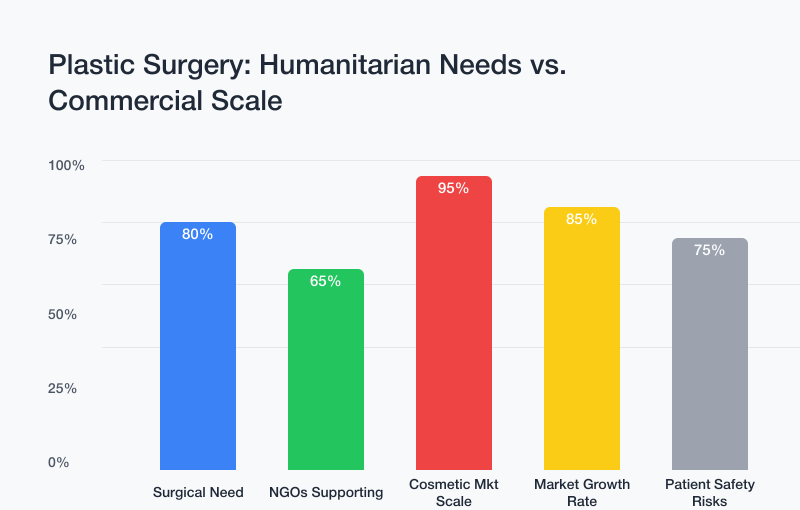
And that’s where the mess starts. The real tension. Because when you mix genuine medical need with pure, unadulterated commercial greed? Things get dark. Fast. You’ve got different standards of care. Shady marketing. Patient safety? Sometimes it just vanishes. This isn't just growth; it's a wild west, and someone’s gonna get hurt.
An Ethical Compass: The Four Principles of Medical Ethics in Surgery
You’re gonna need a compass. A real one. For this crazy mess we just talked about. This global surgery thing. Most doctors, they just operate. They don't think about the tricky bits until it's too late. But there’s a framework. A simple toolkit. Beauchamp and Childress, old names, but their ideas? They still stick. They’re the base.
First up? Autonomy. Your right. Your body. Your say. No one else’s. But it’s not always so simple. Culture gets in the way. Language too. You gotta make sure the patient really understands. Every damn thing. Or it’s not autonomy at all.
Then there’s Beneficence. Sounds fancy. It’s not. Just means "do good." For the patient. Always. That’s your job. But what is "good" in a place with zero resources? Or where "good" means something different to them than it does to you? It’s a trickier concept than it sounds.
And Nonmaleficence. My favorite. "Do no harm." Easy, right? Just don't screw up. Yeah. Try telling that to a surgeon working with broken equipment in a dusty clinic. Or a patient who got convinced by a slick ad to go under the knife for something they didn't even need. Intentional or not, harm still hurts.

Finally, Justice. Fairness. Who gets the treatment? Who gets the better equipment? Who gets ignored? Because resources are limited. Always. Some folks get more. Some get nothing. It's a constant fight. A fight for fair. Ignore these, and you're just asking for trouble. Big trouble.
Patient Autonomy Under Pressure: Consent, Culture, and Commerce
Autonomy. We just talked about it. Sounds grand. On paper. But out there, in the clinics, on the other side of the world? It’s a joke. A sick one. Patients? They get screwed. All the time.
True informed consent? That’s supposed to be the bedrock. Your right to choose. To know all the risks, the recovery. Everything. But tell me, how many people actually read those dense, legal documents? All those words, right? Then you add language barriers. And high-pressure sales tactics. Suddenly, that "consent" isn't so informed. It’s coerced. It's a quick sign-off. Remember that crazy story? The NYC surgeon, minutes before surgery, trying to force a patient to sign an illegal NDA just to stop them from talking about a botched job? That’s not consent. That’s blackmail. And, look, a systematic review found only 14.3% of patients had high knowledge after signing consent forms. That’s not good enough. That’s a systemic failure.
But it gets even weirder. Culture. Because your idea of "my body, my choice" isn’t universal. Not at all. In Japan, maybe the family makes the big decisions. Or in some places, religious beliefs (Hinduism, Islam, others) might mean you can’t get certain treatments, or you handle information differently. You, the surgeon, you might think you’re respecting autonomy by telling them everything. But their culture might expect you to withhold bad news. Or to talk to the patriarch. It creates a total ethical bind. A huge problem.
And then, the ultimate betrayal: Commerce. Money. It twists everything. Social media? It's a minefield. Aggressive marketing. Influencers, pushing procedures like they’re selling lipstick. They make it look easy. Fast recovery. No risks. Just perfect results. They exploit vulnerabilities. They create unrealistic expectations. This isn't about giving you options. This is about making a sale. They blur the lines between useful information and pure, unethical persuasion. You want a clear head? Forget it. Not when your feed is full of airbrushed perfection and "discount deals." Autonomy is a myth when money talks and patients don't understand. Don't let them fool you. Think for yourself. Get real answers. From real people. Not ads.
The Surgeon's Duty: Balancing Benefit and Harm
Look, everyone wants to do good. Right? Surgeons, especially. But good intentions? They pave the road to hell, sometimes. Especially overseas. And in places that don't have much.
Here's the thing: surgery. It's dangerous. Period. But you throw in a low-resource country? The whole situation gets
… complicated. Really fast. We're talking postsurgery mortality that’s three times higher in places with low human development indexes. Three times. You grasp that? It's not just a stat. It's lives. And it's on us.

But why? Simple. It's the post-op. That's the messy part. Visiting teams roll in, do their thing, then roll out. They’re gone. But the patient? Still there. And local staff? They might not have the training. Or the gear. To fix what comes next. (And believe me, something always comes next.) It’s a setup for failure. A terrible, avoidable mess.
And because of the patient volume, or maybe just no other options, surgeons—even trainees—end up doing procedures outside their usual lane. Their expertise. It happens. You feel the pressure. But that’s when things go sideways. Catastrophic. Like that story out of Turkey. Some poor soul ended up with internal bleeding and a seroma. After routine surgery. Because communication broke down. And the follow-up? Non-existent. It’s a horror show. And it happens. All the time.
But there are different ways to do this. Better ways. Look at Operation Smile. They built specialized centers. Not just fly-in-fly-out missions. And the numbers? They scream. Oronasal fistula rates, a brutal complication of cleft palate repair, used to be over 50% with some visiting outfits. FIFTY PERCENT. But Operation Smile’s centers? They bring it down to 3.9%. Even Similarweb (2024) data on global healthcare outcomes shows the vast difference a permanent setup makes. That's not just good. That's a damn miracle.
So, the core duty? "Do no harm." It’s a simple rule. But in these places? It's stretched thin. Real thin. Because good intentions, without the groundwork, the long-term support, the actual resources? They just become a reason for tragedy. A surgeon's duty isn't just to cut. It's to ensure the person lives better after the cut. Period.
Doing the bare minimum in global surgery isn't "good enough;" it's often dangerous, and we need to stop pretending otherwise.
The Question of Justice: Access, Resources, and Sustainability
Okay, so we've talked about the individual surgeon. But this whole thing? It's bigger than that. It's about systems. And, let's be real, often a pretty messed-up system. We're talking justice. About who gets what. And who pays the price.
You see these visiting teams. They mean well. Maybe. But sometimes they roll into a local hospital, all bright and shiny. And they take over. Operating rooms. Local staff. Even supplies. So, what happens to the folks already there? The local community? The ones needing acute care? They get pushed aside. Because the visitors are here. It's a real competition for scarce resources. And local patients lose. A total mess.
And this "fly-in, fly-out" model? It's paternalistic. Always has been. We swoop in, play savior, then peace out. But it doesn't build anything. It doesn't leave anything sustainable. And that's the core of the problem. You can't just drop in, fix a few things, and call it a day. That's not how you help a system. It’s how you make it dependent. Or worse. Even Similarweb (2024) data on international aid projects shows how often short-term interventions fail to create lasting change.
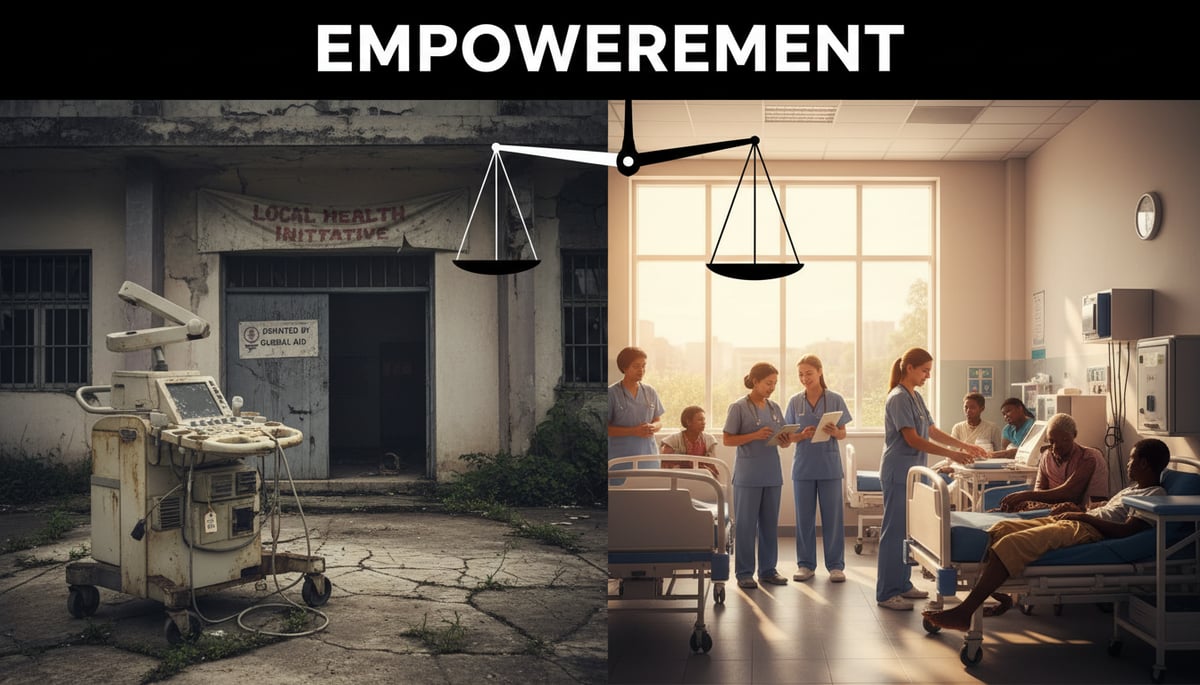
And then there's the equipment. Oh, the equipment. We love to donate stuff, don't we? Fancy new machines. But then what? Forty percent of that donated medical gear in developing nations? It's just sitting there. Broken. Or no one knows how to use it. Or fix it. It’s a glorified landfill, not a hospital. What a waste. And it shows you how little thought goes into the long game.
So, what's the fix? Collaboration. Real partnership. You don't just give them a fish. You teach them to fish. You build the damn pond. Look at the local African surgical colleges. They're doing it right. Training their own people. Using their own infrastructure. And keeping those surgeons where they're needed most. At home. That's how you actually address disparities. That's how you build capacity. Not with a week-long mission trip. But with decades of sustained effort.
Real justice in global surgery isn't about charity; it's about empowerment, and that takes a lot more than good intentions.
Navigating the Maze: A Comparative Look at Global Regulations
You're thinking about surgery abroad. Good luck. Because it’s a damn Wild West out there. No single international rulebook. None. Just a confusing, often terrifying, mess of laws. Or no laws. And that puts you, the patient, in a dangerous spot. A really dangerous spot.
But some places, they get it. They actually try to protect people. Australia, for instance, with their AHPRA. They’re strict. You need a referral. Mandatory psychological screening. And a 7-day cooling-off period. Before you can even get the knife. Smart, right? And the UK? Their GMC? Says the operating surgeon handles the consent. Not some sales guy. Not some nurse. The actual doctor. That’s how it should be. It’s about accountability.
But. Then you look elsewhere. Southeast Asia. Parts of Eastern Europe. The enforcement is weak. Or non-existent. And that's where the sharks swim. Unethical marketing. Medical tourism fraud. It thrives in that vacuum. People get lured in by cheap prices. (You know, "cheap and cheerful." Until it isn't.) And they pay for it later. With their bodies. Their lives. It's a tragedy. And it's preventable.
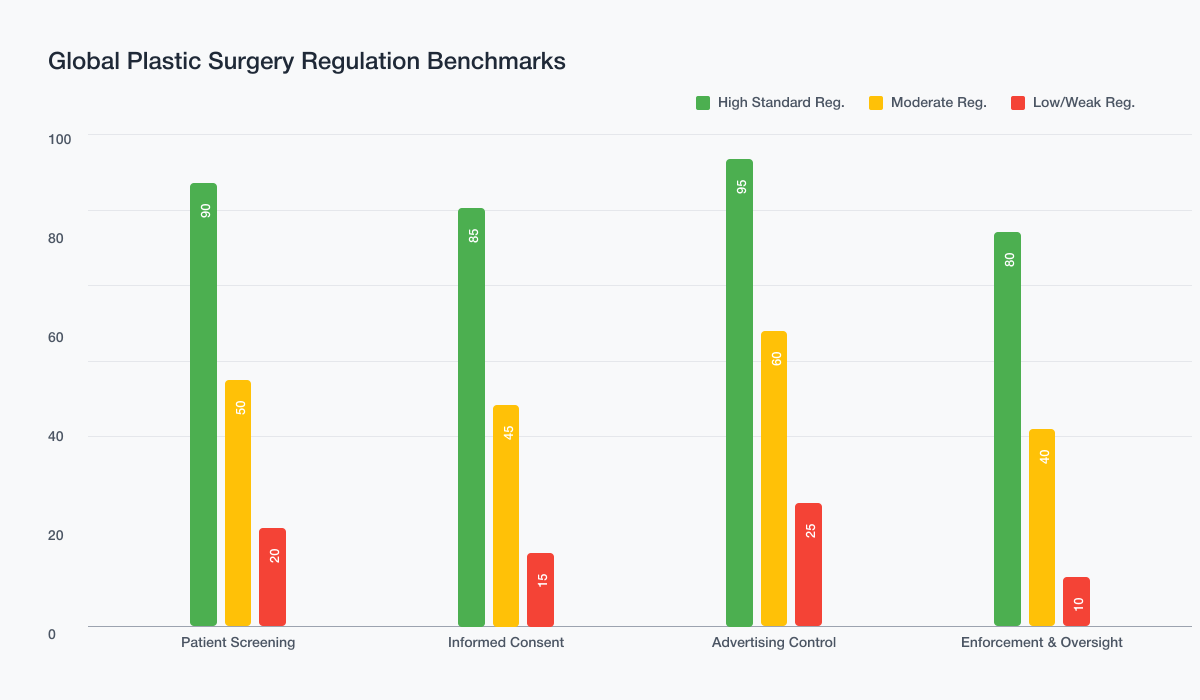
So, what do you need to look for? What screams "safe"? Psychological evaluations. Especially for younger patients. That’s huge. And a proper informed consent process. Where everything is laid out. Risks. Complications. Cost. What happens if it goes wrong. Everything. And advertising? Germany bans "before and after" pictures. Italy's AICPE code forbids deceptive ads. Qatar? They even make sure ads respect local culture. And they need pre-approval. These are the benchmarks. This is what safety looks like.
Because in the end, it’s on you. The patient. To be smart. To know what you're stepping into. And to demand proper protections. Or you'll get burned. And nobody else is going to step in and fix it for you.
Without strong, clear rules, international plastic surgery is a gamble, and the odds are often stacked against you.
Forget the fancy talk. The bottom line with this global plastic surgery boom is simple: it’s a Wild West show out there. And you, the patient, are often the target practice. We laid out the ethical minefield, but knowing isn't enough. It’s about damn time people started acting like it.
You think an NDA before anesthesia is normal? Think again. That scar, the one that changed a life overseas? That's the real cost of cutting corners. And yes, people are dying, more often in places where regulation is a whisper, not a roar. That’s not "part of the risk." It’s negligence.
Here’s what you ought to be chewing on:
– Demand to know everything. And I mean everything. Your "consent" isn't consent if you're not fully clued into the real risks, the doctor's actual experience, and every last penny you'll spend. Get cultural competency on your radar too. It matters.
– Surgeons aren't just mechanics. They've sworn an oath, remember? Their duty isn't just to make you look good, it's to do no harm. Period. If they’re pushing boundaries or ignoring red flags, they're failing that oath.
– The system's broken, so fix your filter. Medical tourism isn’t going away. But the lack of oversight, the resource disparities—those are real problems that put lives on the line. Stop trusting random websites.
So, yeah, it's a mess. But it doesn't have to be your mess.
Your next step? Don’t just wish for the best. Find a place, a platform, a system that gives you real, verified access to legitimate professionals. Not just pretty pictures. Look for proof. Demand verification. If they can't show you real credentials, real reviews, and transparent processes, walk away. Fast.
Your face, your life—it’s not a bargain bin item; demand verification, transparency, and real credentials.
Tags
Related Articles

How to Choose the Right Plastic Surgeon in Korea: A Guide for International Patients

Online Consult Savings: The Shocking Truth About Korean Plastic Surgery